
What are the hazards of welding?
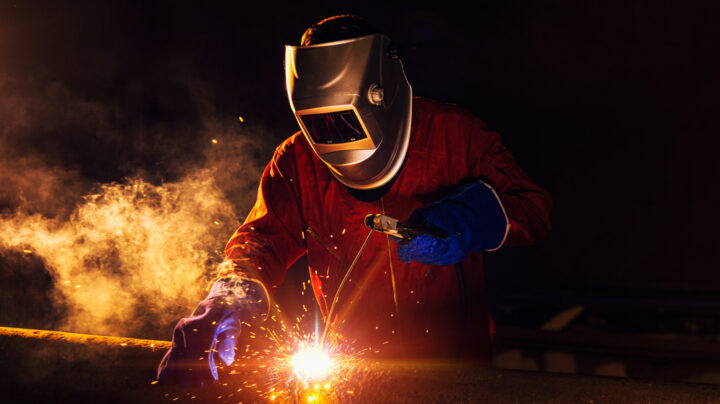
Welding, a fundamental industrial process, plays a crucial role in the construction industry. But the process of joining metals by melting and fusing them is also among the most dangerous activities in construction. Learn about the hazards of welding in this guide.
From building structures to fabricating intricate components, welding is indispensable in creating the foundations of modern society. However, along with its widespread usage comes a range of hazards that necessitate a comprehensive understanding of safety measures.
According to the Health and Safety Executive (HSE), breathing metal fumes — a waste byproduct of the welding process — leads to 40 to 50 welders each year being admitted to hospital. Furthermore, the acute effects of welding fume inhalation take effect quite soon after exposure.
Related reading: 7 of the most common health and safety risks in the workplace
Why is welding dangerous?
The nature of welding involves working with high heat, intense light, and diverse materials, which can pose significant risks to the welder’s health and safety. For this reason, both welders and employers must be well-informed about these hazards to ensure the implementation of proper safety protocols.
What are the types of welding hazards?
When attempting to understand the risks of welding, it helps to first understand the main types of welding hazards and how they pose a threat to workers and the public.
1. Thermal hazards
As the name suggests, thermal hazards are those associated with exposure to hot work hazards. Welding operations generate high levels of heat, which can pose risks such as burns and dehydration. The inadequate use of PPE, for instance, puts workers at risk of burns from sparks and molten materials.
Related reading: A guide to hot work hazards and control measures
Thermal hazards also present risks to work sites and the general environment. Sparks and hot slag can ignite flammable materials, leading to potential fire outbreaks. This often happens when welding activities are not conducted in specifically designated areas (away from hazardous/flammable materials).
How to mitigate thermal hazards: Under the Personal Protective Equipment at Work Regulations (PPER) 1992, employers in Great Britain are required by law to provide suitable PPE to workers who may be exposed to health and safety risks at work. For welders, PPE for heat protection typically includes the following items:
- Welding gloves: These are heat-resistant gloves designed to protect the welder’s hands from extreme heat.
- Flame-resistant clothing: This must shield the body against sparks and molten materials.
- Safety boots: Often overlooked, safety footwear protects the feet from hot sparks or molten metal droplets that might fall onto the ground.
Apart from PPE, safety screens or curtains can be used around welding sites to confine sparks and hot particles, reducing the risk of accidental fires.
2. Fume and gas hazards
Welding generates toxic fumes and gases from vaporised metals, paints, and coatings. Short-term inhalation of these fumes can lead to acute health effects such as nausea, dizziness, and respiratory irritation. However, the most worrying aspect of inhaling welding fumes is its long-term impact. Constant exposure to these toxic gases can result in chronic diseases, including lung cancer, kidney damage and neurological disorders.
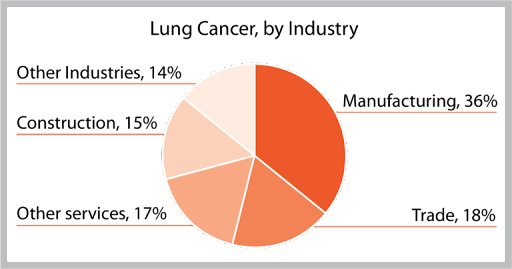
HSE reports that the International Association for Research on Cancer (IARC) classifies all welding fumes as Group 1 carcinogenic substances that can cause kidney and lung cancer. Meanwhile, Canada’s Occupational Cancer Research Centre notes that around 310 lung cancers can be traced back to welding fume inhalation at work. This could also explain why the country’s manufacturing sector sees the highest levels of occupational lung cancer.
How to mitigate fume and gas hazards: The provision and use of proper ventilation systems and respiratory protection (another component of PPE) are critical to safe welding. Good ventilation systems disperse harmful fumes away from the breathing zone of the welder, whilst respiratory protection equipment, such as masks or respirators, provides a direct barrier between harmful fumes and the welder.
3. Arc hazards
The intense light produced during the welding process, also known as an arc light, also poses serious risks to welders. This arc light is extremely bright and emits harmful ultraviolet (UV) and infrared (IR) light, increasing the risk of severe eye injuries.
One such injury is photokeratitis or arc eye or welder’s flash — a painful eye condition caused by the inflammation of the cornea due to exposure to UV rays. Symptoms include a feeling of grit in the eyes, severe pain and sensitivity to light. Prolonged exposure can lead to more serious long-term vision impairments, affecting a welder’s ability to work and quality of life.
Repeated exposure to UV radiation also increases the risk of eye melanoma, a cancer of the eye. In 2014, the Industrial Injuries Advisory Council found consistent evidence between welding and an increased risk of eye melanoma.
How to mitigate arc hazards: PPE, again, goes a long way towards preventing eye-related health problems. Welders must be provided with safety goggles for protection against flying particles and welding helmets or face shields with the correct filter shade to protect against intense ultraviolet and infrared light.
4. Electric shock hazards
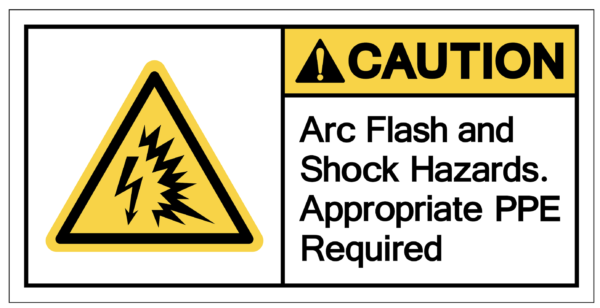
Electric shocks are another common hazard of welding. Hot and loud work environments, fatigue and faulty equipment, create the perfect storm that increases the risk of direct or indirect contact with live electrical parts. Most cases of electrocution lead to burns and minor injuries. But in extreme cases, electric shocks can be fatal.
There are several potential causes of electric shock during welding. This includes:
- The use of poorly maintained equipment
- Inadequate grounding of electrical components
- Unsafe work practices, such as failing to use adequate PPE.
How to mitigate electric shock hazards: Regular inspection and maintenance of welding equipment can help identify any defects or faults that could cause a shock. Using proper insulating materials and following safe work practices, such as not touching live electrical parts, can also significantly reduce the risk of electrocution.
Proper grounding techniques should also be taught and enforced to ensure that any electrical faults are safely directed away from the user. Through such training and practices, the risk of electric shock can be minimised, ensuring a safer working environment.
Related reading — Guide to workplace health and safety training in construction
5. Noise hazards
A loud noise is something that generates sound above 85 A-weighted decibels (dB(A)). Welding activities like flame cutting can produce noise levels well over 100 dB(A).
The equipment used, coupled with the welding process itself, can generate noise levels that could potentially cause hearing damage over time. Noise-induced hearing loss is a real concern for welders, as are conditions such as tinnitus, which involves a constant ringing or buzzing in the ears. Over time, these welding hazards can significantly impact a welder’s quality of life, hindering their ability to communicate effectively and even work.
How to mitigate noise hazards: Welders must use hearing-related PPE, such as earmuffs or earplugs. Employers can also implement noise control measures in the workplace, such as isolating noisy machinery away from workers, using sound-absorbing materials around the workshop and maintaining equipment properly to reduce unnecessary noise.
Related reading: Who is responsible for workplace health and safety?
By recognising the potential risks associated with welding, individuals can proactively protect themselves and others from harm. Understanding these hazards also allows employers to establish effective preventive measures, ultimately fostering a safer working environment.
Find more workplace health and safety guides by following CHAS Insights. If you need help raising your health and safety standards, join CHAS, a Veriforce company, by becoming a CHAS Standard member. Complete our award-winning health and safety assessments and demonstrate your compliance with the latest health and safety standards. Speak to a CHAS advisor to learn how to join CHAS.