


Facilities risk management involves a systematic approach to identifying, assessing, and mitigating risks associated with the physical environment. Here’s how facilities managers and engineers can identify and manage risks
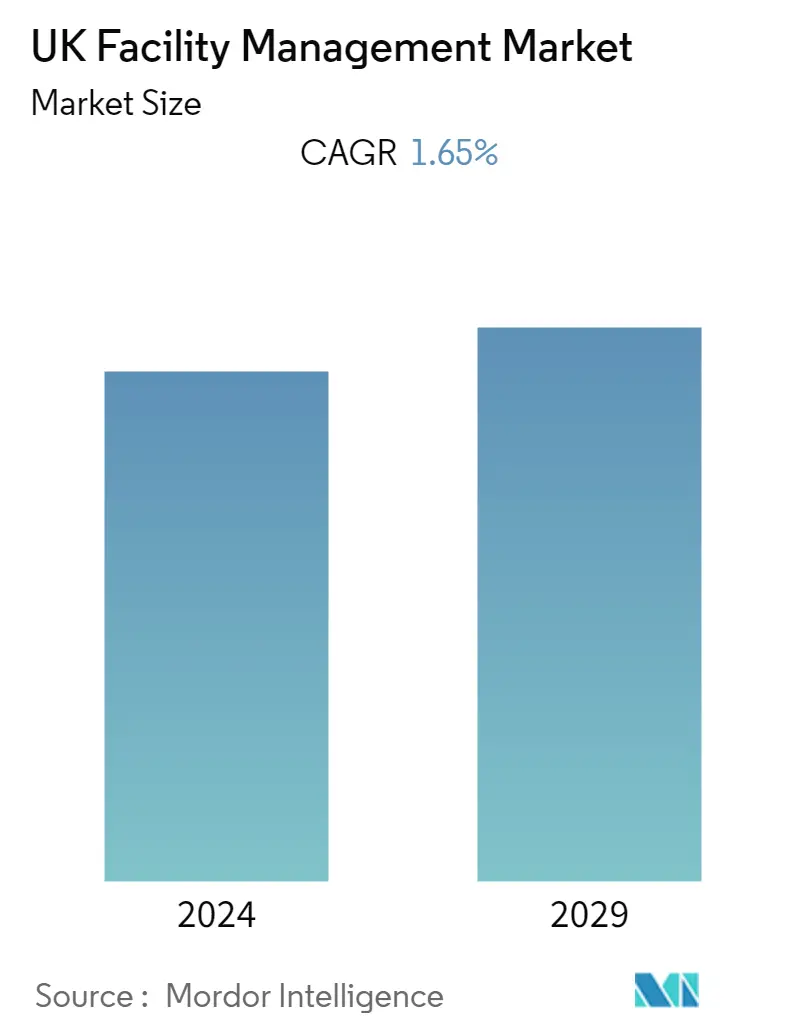
Facilities management (FM) is a critical component of successful organisational operations, ensuring all aspects of a building or site are functioning optimally. It’s also an industry that generates billions in revenue — the UK facilities management market is expected to grow from USD 68.16 billion in 2023 to USD 73.97 billion by 2028 (CAGR of 1.65%). Meanwhile, data from the British Institute of Facilities Management shows the facilities management industry accounts for over 8% of the country’s GDP and employs over 10% of the national workforce.
This multidisciplinary field encompasses a range of activities, from maintenance and repairs to space planning and safety measures — all aimed at creating a conducive environment for work and other activities. Unsurprisingly, risk management is a vital component of facilities management, ensuring the identification of potential health and safety hazards before they affect workers and the safety of the facility or site.
In this guide, we explore the health and safety responsibilities involved in facilities management, the common risks affecting facilities, and how to mitigate these threats.
Related Reading: An Introduction To Risk Assessments
What Is Risk Management In Facilities Management?
Risk management in facilities management involves a systematic approach to identifying, assessing, and mitigating risks associated with the physical environment. Given the vast array of responsibilities that fall under facilities management, the range of potential risks is extensive.
These risks can be categorised into several types, including:
- Physical
- Operational
- Financial
- Security
- Compliance risks.
Each category represents a different set of challenges and requires unique strategies to manage effectively.
4 Steps Of Facilities Risk Management
Whilst different facilities in different organisations face different risks, the process of identifying and managing risks follows four basic steps.
1. Establish Your Safety Objectives
Before diving into the risk assessment of your facilities, it’s crucial to define your safety objectives clearly. Establishing these objectives involves understanding the standards and regulations applicable to your facilities. These can vary significantly depending on the industry, location, and nature of the facility.
Identifying the expectations and needs of all stakeholders, including clients, employees, contractors, and visitors, is also a vital part of this process. This helps create a comprehensive and inclusive safety strategy that addresses the needs and concerns of all parties involved.
CHAS Tip: Be sure to consider a broad range of potential hazards and threats that could impact your facilities. These could range from natural disasters like fires, floods, and earthquakes to human factors such as vandalism or cyber-attacks.
By having a clear and well-defined set of safety objectives, you can create a robust framework that aids in the systematic identification and prioritisation of safety risks, ensuring no stone is left unturned in your quest for a safer facility.
2. Conduct A Safety Audit
Conducting a safety audit allows you to document and report your findings accurately, providing a solid basis for recommendations and improvements.
This systematic and thorough inspection should cover every aspect of your facilities, concentrating on the physical, operational, and environmental elements that could pose potential safety risks. The aim is to gauge the current condition and performance of your facilities and identify any discrepancies or weaknesses in your existing safety policies and procedures.
CHAS Tip: You can either conduct a safety audit internally or hire a professional auditor for an objective and arguably more thorough examination. This process not only helps in risk identification but also plays a vital role in ensuring your safety practices are up-to-date and effective.
Related Reading: What Is Safety Culture? Your Guide To Positive Safety Culture
3. Use A Risk Matrix

A risk matrix is an invaluable tool for evaluating and prioritising the safety risks identified in your facilities. By categorising the risks based on their likelihood and impact, a risk matrix provides a visual representation, aiding in the comparative analysis of various risks. This tool typically comprises four quadrants: low likelihood-low impact, low likelihood-high impact, high likelihood-low impact, and high likelihood-high impact.
Employing a risk matrix allows you to ascertain which risks necessitate immediate attention, which require monitoring or mitigation, and which can be deemed acceptable or negligible. This process ensures resources are allocated efficiently, addressing the most critical risks promptly.
Related Reading: Risk Assessment: A Template and Guide
4. Implement Safety Measures
Having identified and prioritised the safety risks, the next step is the implementation of appropriate safety measures. These measures could encompass a range of actions, from physical interventions like installing fire alarms and updating security systems to administrative measures such as conducting staff training and developing emergency plans.
Be sure to maintain clear communication and coordination with all stakeholders, ensuring they are well informed about the safety measures in place and are compliant with them. Regular documentation and review of the effectiveness of these safety measures are essential, providing an opportunity for timely adjustments and enhancements.
By systematically following these steps, facilities engineers can create a safer and more secure environment, effectively mitigating the myriad of risks associated with facilities management.
Jumpstart Your Journey To Managing Your Facility’s Risks
By taking the time to audit, map and plan for the risks facing their facilities, managers and engineers can be better equipped to safeguard their properties, protect workers and the public, and ensure the seamless operation of their facilities. The impact also affects your bottom line — proactive risk management practices enable you to prevent losses and damages, as well as enhance the overall performance and resilience of your facilities and equipment.
CHAS, a Veriforce company, can help your facilities managers and engineers identify and manage a wide range of risks associated with all kinds of facilities in construction, manufacturing and more. As a CHAS Client, you’ll get everything you need to upgrade your compliance levels under one roof.
Are You Ready To Be A CHAS Client?
Sign up for FREE today or learn more about our client services by scheduling a callback with one of our friendly CHAS advisors.

