
What are Safe Systems of Work (SSoW)?

Safe Systems of Work (SSoW) are integral components of modern workplaces, providing structured methods to reduce the risk of harm to workers. Find out what they are and why your business needs them.
Every workplace faces risks that can impact employees as they perform their duties. In high-risk industries such as construction and manufacturing, these hazards can pose a serious threat to health and safety. Because of this, employers need structured approaches to managing work that could put people in danger.
One of the most effective ways to do this is by implementing a Safe System of Work (SSoW). An SSoW is a formal procedure that explains how specific tasks should be carried out safely. It considers the hazards involved, the equipment being used, and the working environment. Setting out clear instructions, assigning responsibilities, and ensuring that control measures are followed helps reduce the chance of accidents and injuries.
Source: Health and Safety Executive
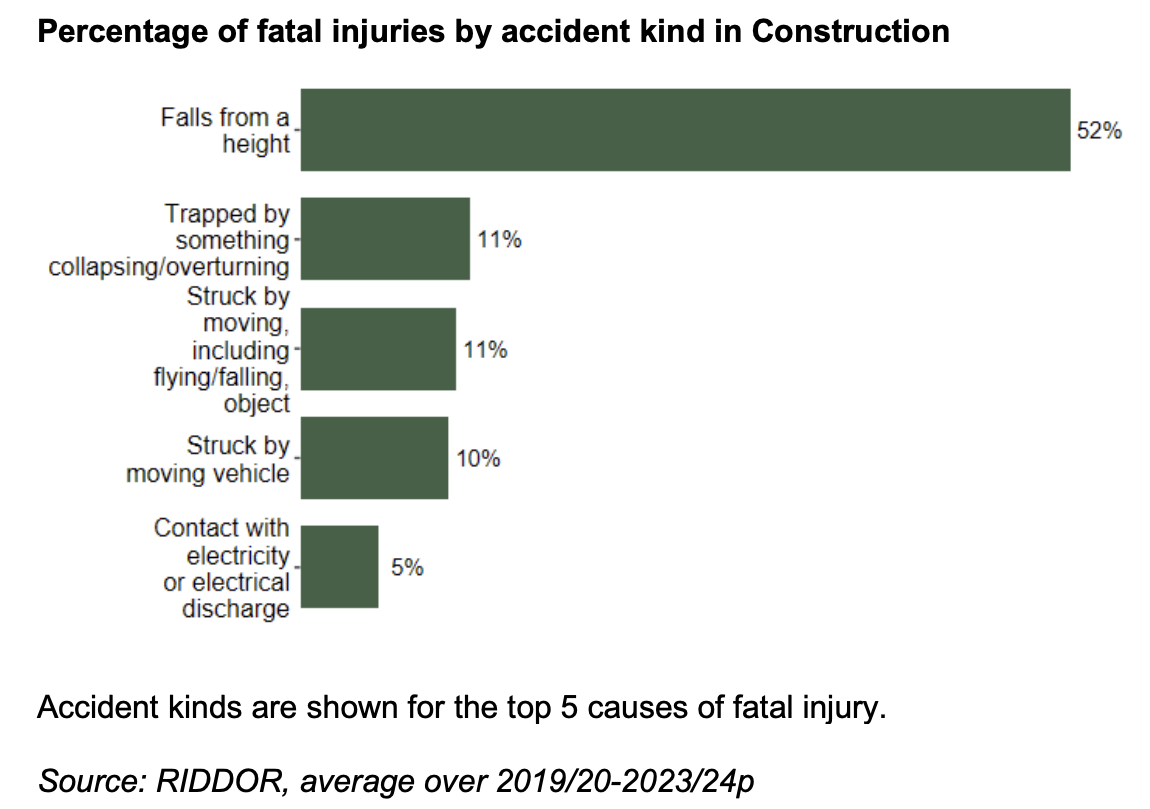
The importance of these systems is backed by evidence. According to HSE figures from 2023 to 2024, “falls from a height” were the leading cause of fatalities in the construction industry, demonstrating why carefully designed safe systems are essential in higher-risk sectors.
All this is to say that employers need to implement strategies and use tools that account for all types of risks to their employees’ health and safety. This is where Safe Systems of Work (SSoW) come in, providing a structured approach to identifying, mapping and mitigating health and safety risks in the workplace.
What is a Safe System of Work?
Safe Systems of Work refer to a set of procedures geared towards identifying, assessing and controlling workplace hazards. Although not explicitly required by law, the term comes from the “General duties of employers to their employees” provision of the Health and Safety at Work Act 1974:
It shall be the duty of every employer to ensure, so far as is reasonably practicable, the health, safety and welfare at work of all his employees.
Without prejudice to the generality of an employer’s duty under the preceding subsection, the matters to which that duty extends include in particular — the provision and maintenance of plant and systems of work that are, so far as is reasonably practicable, safe and without risks to health.
In construction, Safe Systems of Work are often referred to as method statements, but they are not the same. Instead, you can think of a method statement as a manifestation of a Safe System of Work. In this case, method statements go hand-in-hand with risk assessments to form RAMS documents, creating a documented system of steps to conduct any activity or task safely.
Related reading: What are RAMS documents in health and safety?
Safe Systems of Work are not just crucial for employee well-being but also promote efficiency and productivity. As businesses grow, hire more people and increase their workloads or work activities, a Safe System of Work becomes even more crucial to protect both workers and the public from harm.
Key Components of Safe Work Systems
1. Systematic evaluation
Developing a safe system begins with a structured evaluation of the task. This involves breaking the job into stages, identifying where hazards could occur, and determining the safest way to carry out each step. A systematic approach ensures that no part of the task is overlooked.
- Breaking tasks into stages: Each job should be analysed step by step to highlight risks at every stage.
- Considering conditions: Environmental and operational factors should be taken into account before work begins.
- Identifying hazards: Potential dangers must be logged clearly to shape the safest approach
2. Risk assessments
Risk assessments are one of the foundational pillars of Safe Systems of Work. At its simplest, risk assessments involve two steps:
- Identifying potential hazards: Before any work begins, it’s crucial to understand the various dangers present in a work environment, whether they are physical, chemical, or biological.
- Analysing and evaluating associated risks: Once hazards are identified, they need to be scrutinised to gauge their potential impact. Evaluating these risks ensures that the most severe hazards are prioritised and preventive measures are implemented accordingly.
Related reading: Risk assessment: a template and guide
3. Formal procedures
Safe Systems of Work are also built on guidelines outlining the best and safest ways to perform tasks. This process involves:
- Development of standard operating procedures: Well-documented and standardised methods of operation reduce the likelihood of accidents and human error. This consistency eliminates guesswork and reduces the likelihood of accidents caused by procedural anomalies.
- Training and familiarisation: Knowledge is power. Ensuring that employees are well-trained and familiar with protocols not only ensures that tasks are done correctly but also boosts confidence in handling potential risks.
4. Control measures
Once risks have been assessed, suitable measures must be introduced to either eliminate hazards or reduce them to an acceptable level. These measures include safe procedures and the correct use of equipment and protective tools.
- Tool identification: Employers must identify the appropriate tools and equipment for each task, ensure they are procured, and train employees in their safe use.
- Maintenance and inspection: Tools and equipment should be regularly maintained and inspected to confirm they remain effective.
- Personal protective equipment (PPE): Safety helmets, gloves, respiratory protection, and other PPE should be provided where risks cannot be controlled by other means.
- Engineering controls: Barriers, guards, and machine safety features can help to isolate workers from hazards and reduce exposure.
5. Competent person
Safe Systems of Work must be designed and overseen by someone with the correct knowledge, skills, and experience.
- Designing procedures: A competent person develops systems that are practical and effective.
- Training and supervision: They ensure employees understand procedures and follow them correctly.
- Staying compliant: They keep systems updated with legislation and industry standards.
6. Communication and training
A Safe System of Work only works when employees understand and apply it. Communication and training are essential to achieving this.
- Initial training: Workers receive instruction when new systems are introduced.
- Refresher training: Regular updates help reinforce safe working practices.
- Accessible information: Procedures must be clearly documented and easy to understand.
7. Review and monitoring
Finally, employers need an ongoing process that ensures their Safe System of Work remains relevant and effective. We recommend looking at two dimensions for monitoring and improving your safety protocols.
- Ongoing supervision and safety checks: Continuous oversight ensures that safety protocols are being followed, helping preempt possible issues.
- Regular review and updating of procedures: The workplace is not static. As new equipment, practices, or technologies are introduced, safety procedures must evolve, ensuring that they remain relevant and effective.
Related reading: 7 of the most common health and safety risks in the workplace
Examples of situations requiring a Safe System of Work
Safe Systems of Work are critical in environments where hazards cannot be eliminated. They provide structured procedures to reduce the risk of serious incidents in high-risk activities such as:
- Working at heights: Tasks involving scaffolding, ladders, or roof work require detailed procedures to prevent falls and ensure equipment is used correctly.
- Electricity: Jobs involving live electrical systems or wiring need strict controls to prevent electric shocks, fires, or equipment failure.
- Confined spaces: Work carried out in tanks, silos, sewers, or storage vessels carries risks such as lack of oxygen, toxic gases, or restricted exits, all of which demand a documented safe system.
- Hazardous substances: Handling chemicals, asbestos, or other dangerous materials requires clear instructions on protective equipment, safe handling methods, and emergency procedures.
Benefits of implementing Safe Systems of Work
Implementing Safe Systems of Work not only protects your workforce but also fosters a business environment conducive to productivity, innovation, and growth.
Source: HSE
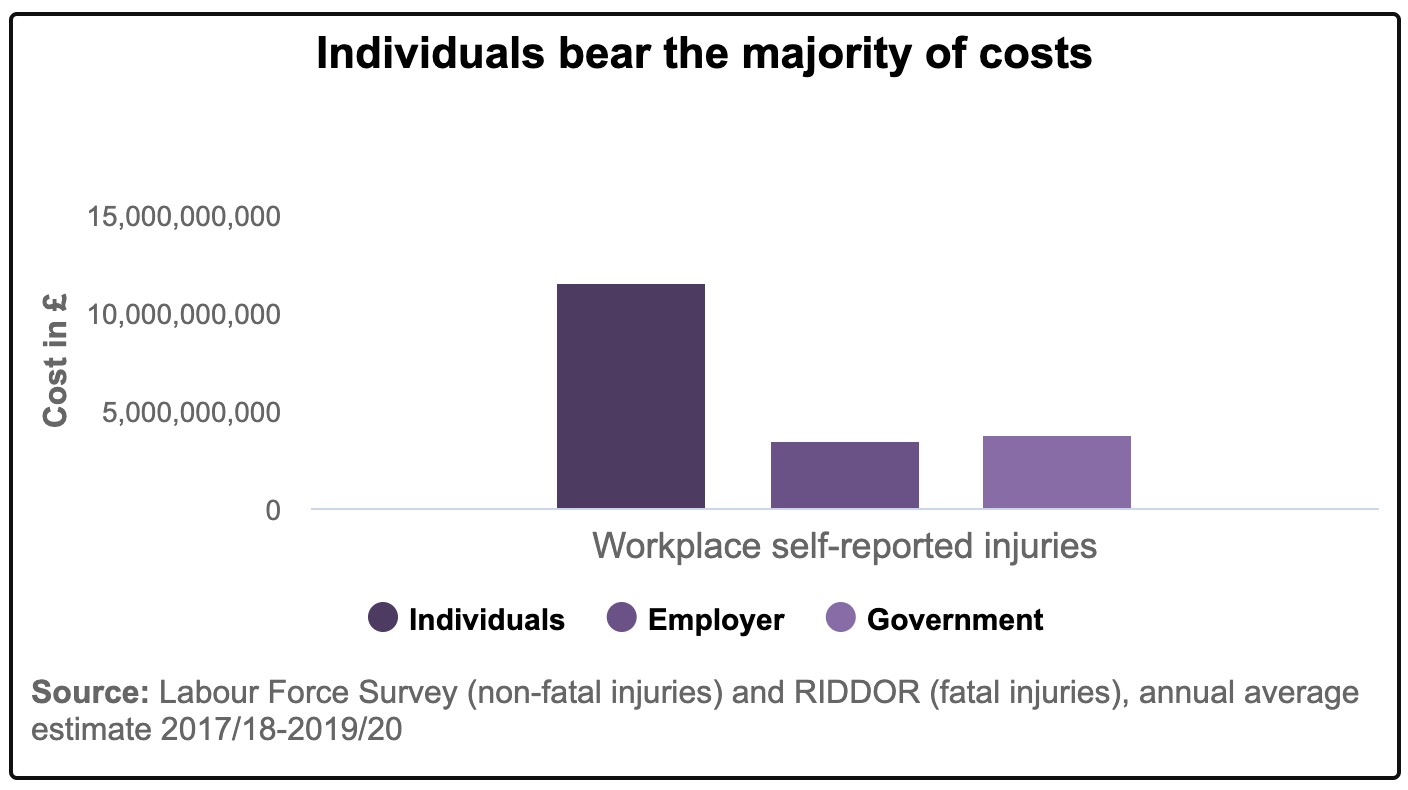
- For employees: Whilst the onus of maintaining a Safe System of Work is primarily on employers, employees also share some of the responsibility. Similarly, they also reap many of its rewards. According to the HSE, individuals (workers and the public) bear the majority of the costs associated with workplace injuries and ill health. Creating safer workplaces will help employees avoid these unexpected costs.
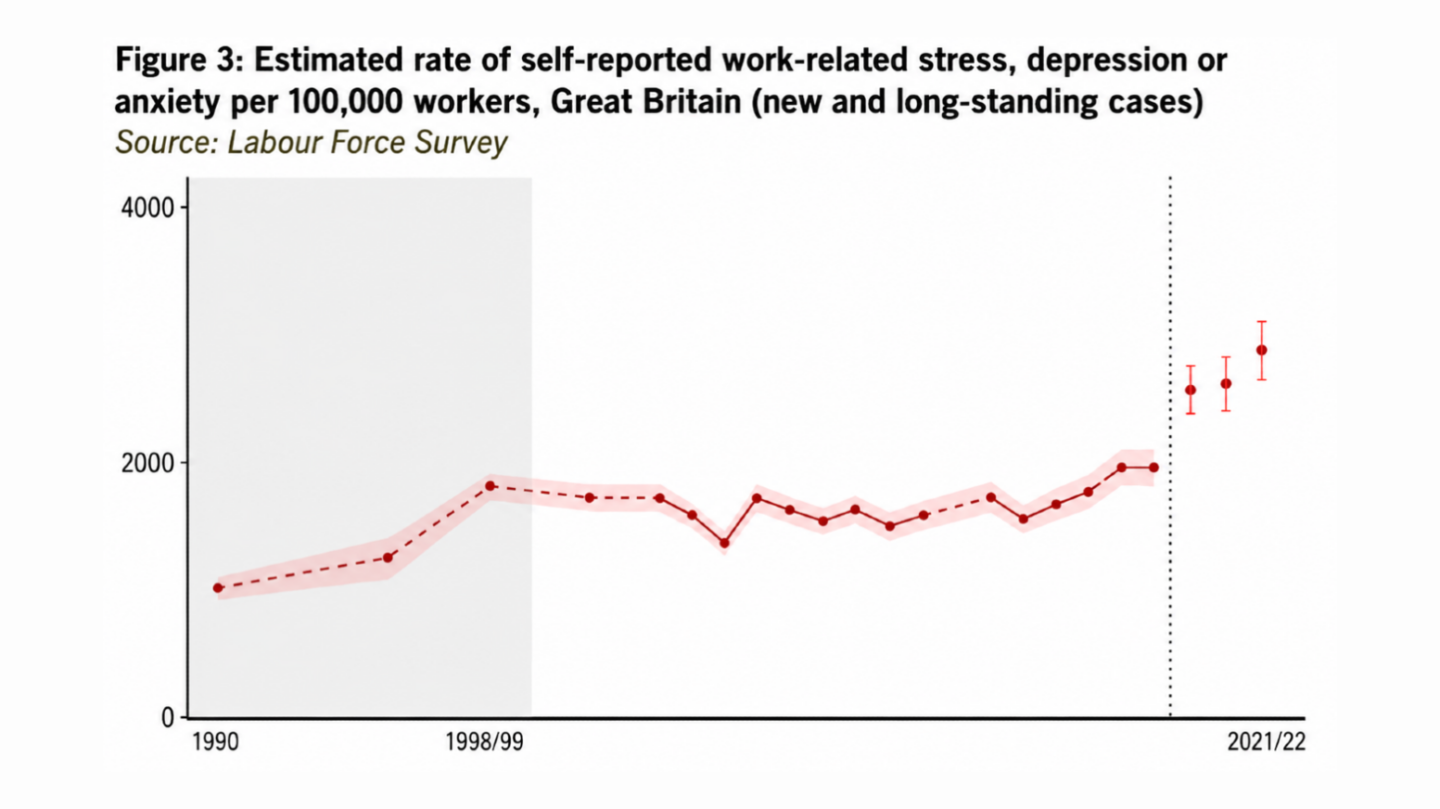
- For employers: Beyond the moral obligation, a safer workplace translates to financial savings. With 36.8 million working days lost due to work-related illness and workplace injury in 2021/2022, employers can save millions in reduced compensation claims, higher productivity, and lower insurance premiums.
Get started with your Safe System of Work
Establishing an effective, Safe System of Work starts with a comprehensive risk assessment of your core work activities. Engaging different stakeholders, especially frontline employees, can provide valuable insights into the potential hazards associated with this work. Once identified, tailor-made procedures can be developed. The next step is thorough training, ensuring that every employee, from management to ground staff, understands and adheres to these procedures. Regular reviews and updates are essential, ensuring the system’s relevance and effectiveness.
Follow CHAS Insights to get more information on building Safe Systems of Work in your organisation. If you need a swift and efficient way of demonstrating compliance with health and safety legislation and best practices, become a certified contractor with CHAS, a Veriforce company.