


Climate change is reshaping every aspect of the modern workplace, including employee safety and well-being. Beyond its environmental consequences, climate change and health are becoming closely intertwined issues that employers must address.
From heat stress to air pollution, the risks are varied, complex, and often industry-specific. Understanding how to manage these evolving hazards is essential in protecting your workforce and building climate-resilient operations.
The Link Between Climate Change And Health
Climate change is no longer a distant threat; it’s a public health crisis already affecting how, where and when we work. Rising temperatures, poor air quality and more frequent extreme weather events create new occupational risks.
The impact of climate change on health is particularly significant in workplace environments where employees are exposed to heat, pollution, UV radiation, or hazardous conditions.
Employers must consider how climate-related risks influence their teams’ short and long-term health. Proactively addressing these issues isn’t just good for the workforce; it’s essential for resilience, compliance and business continuity.
Related Reading: Risk Identification: Techniques To Spot And Address Business Risk
Climate Change Health Risks In The Workplace
The table below outlines some of the most common climate-related health risks in the workplace, along with recommended employer responses to help mitigate them.
| Climate Factor | Health Risk | Employer Response |
| Heatwaves | Heatstroke, dehydration | Shade, hydration, cool-down breaks, and rescheduling |
| UV Radiation | Skin cancer, sunburn, eye damage | Sunscreen, UV-protective clothing and sunglasses |
| Air Pollution | Asthma, COPD, and cardiovascular disease | Ventilation, PPE, and clean technologies |
| Extreme Weather | Injuries, chemical exposure, and psychological stress | Emergency plans, resilient infrastructure |
Now, let’s explore these risks in more detail and what practical steps you can take to protect your workforce.
1. Heat Waves
Rising temperatures due to climate change present a significant occupational hazard for outdoor workers. They heighten the risk of heat-related illnesses such as heat exhaustion and heatstroke. Prolonged exposure to high temperatures can lead to dehydration, heat cramps, and, in severe cases, heat-related fatalities.
To address this challenge, employers can implement various mitigation strategies, such as:
- Providing access to shaded areas or designated rest breaks in cool environments allows workers to seek refuge from the sun’s intense heat, reducing the risk of overheating.
- Ensuring ample availability of drinking water is crucial for maintaining hydration levels and preventing dehydration.
- Scheduling strenuous tasks during cooler parts of the day, such as early morning or late afternoon, helps minimise exposure to extreme heat.
- Offering comprehensive training sessions to workers on recognising early signs of heat-related illnesses and responding effectively can empower them to take proactive measures to protect their health and well-being.

2. UV Radiation
The ozone layer depletion has intensified workers’ exposure to harmful ultraviolet (UV) radiation, particularly for those who work outdoors. UV radiation poses serious health risks, including:
- Sunburn
- Premature skin ageing
- An increased likelihood of developing skin cancer
To mitigate these risks, employers can implement various protective measures, such as:
- Providing appropriate protective clothing, such as long-sleeved shirts and wide-brimmed hats, helps shield workers from direct sun exposure.
- Equipping workers with UV-blocking sunglasses and broad-spectrum sunscreen further protects them against harmful UV rays.
- Encouraging regular breaks in shaded areas allows workers to seek relief from direct sunlight and reduce prolonged exposure to UV radiation.
- Scheduling outdoor tasks during less intense UV radiation hours, typically early morning or late afternoon, helps minimise the risk of sunburn and other UV-related health issues.
3. Air Pollution
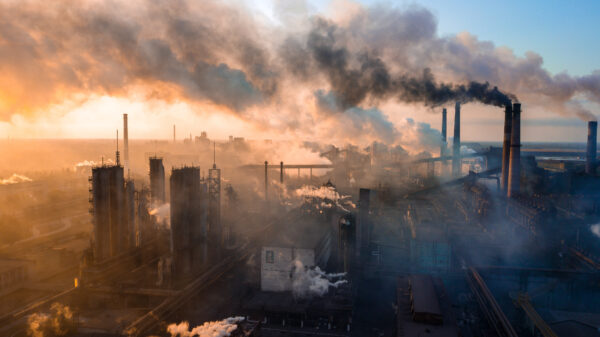
Climate change exacerbates air pollution, particularly in industries with high levels of pollutant emissions, posing significant risks to respiratory health.
Exposure to air pollutants such as particulate matter, ozone, and nitrogen dioxide can exacerbate health conditions such as:
- Asthma
- Chronic obstructive pulmonary disease (COPD)
- Increase the risk of cardiovascular diseases
To mitigate these health hazards, employers can implement various strategies:
- Reducing emissions within the workplace through the adoption of cleaner technologies and processes helps improve indoor air quality and protect workers’ health.
- Providing respiratory protection equipment, such as masks or respirators and ensuring they are appropriately fitted offers additional protection against inhaling harmful pollutants during work activities.
- Upgrading equipment or processes to minimise emissions helps mitigate the impact of industrial activities on air quality and public health.
Free Safety Method Evaluation Statement
Use our free safety method statement evaluation template to ensure your teams are health and safety compliant.
Enter your details and receive your free safety method evaluation statement template in your inbox.
By submitting this form you confirm you are happy to be contacted by CHAS in accordance with our Privacy Policy
4. Major Industrial Accidents
Extreme weather events linked to climate change, such as hurricanes, floods, and severe storms, pose an increased risk of major industrial accidents, endangering workers and surrounding communities. These events can lead to:
- Infrastructure damage
- Chemical spills
- Fires
- Hazardous situations resulting in injuries, fatalities, and environmental damage.
To mitigate these risks, employers must implement comprehensive risk management measures, such as:
- Conducting thorough risk assessments helps identify potential hazards and vulnerabilities, enabling proactive measures to prevent accidents and minimise their impact.
- Establishing comprehensive emergency preparedness plans ensures that workers and communities are equipped to respond effectively to industrial accidents, with clear protocols for evacuation, emergency communication, and response coordination.
- Ensuring resilient infrastructure and equipment that can withstand extreme weather conditions reduces the likelihood of failures and accidents during severe weather events.
- Regular training on emergency procedures and protocols empowers workers to respond quickly and effectively during an industrial accident, enhancing overall safety and preparedness.
Related Reading: When Should a Risk Assessment Be Carried Out?
Why Health And Climate Change Belong In Your Safety Strategy
Climate change risks are real, increasing, and unavoidable. Whether through increased exposure to pollutants, dangerous heat or physical threats from extreme weather, the health and well-being of workers are directly affected by our changing environment.
By integrating health and climate change considerations into your workplace safety plans, you can:
- Protect workers from both chronic and acute risks
- Reduce absenteeism and long-term illness
- Future-proof your business against environmental disruptions
- Demonstrate leadership in ESG and regulatory compliance
Related Reading: Risk Handling Strategies: How To Mitigate And Manage Uncertainty
Ensure Your Business Is Climate-Ready
Veriforce CHAS can help your business identify and manage climate-related health risks. Our certifications help ensure your organisation meets high standards of safety, environmental responsibility and operational resilience.
Take the first step and contact Veriforce CHAS today to prepare your workforce for a changing climate.
Veriforce CHAS can help you build safer and more ethical supply chains
Connect now with a network of contractors who adhere to stringent sustainability regulations and best practices. Enter your details, and we’ll contact you to discuss the CHAS Social Sustainability assessment.
Request A Callback
Updated 28th October 2025

