

 Modern slavery comes in many different forms, including forced labour and exploitation, and while it’s not always easy to spot, it’s a real problem, especially in the construction industry. A 2018 report from CIOB stated that in the EU, construction ranks second only to the sex industry as the industry most prone to exploitation. And as the construction industry employs approximately 7% of the global workforce, a high number of workers are at risk of forced labour and exploitation. Just under 7000 people in the UK were identified as victims of modern slavery in 2018, which marked a 300% increase since 2013, and the sad reality is that the figures may actually be much higher than that as it’s highly unlikely that all victims were identified.
So to protect workers from harm and unfair treatment, and improve their quality of life, construction businesses need to take every step they can to combat modern slavery. This is also extremely important when it comes to safeguarding your business’s reputation and ensuring compliance — legislation such as the Modern Slavery Act 2015 outlines businesses’ legal responsibility to ensure that goods and services are sourced legitimately and ethically. In the UK, any company that meets the four criteria below has to publish a statement setting out what steps they have taken to prevent modern slavery in their business and supply chains:
- it is a ‘body corporate’ or a partnership, wherever incorporated or formed
- it carries on a business, or part of a business, in the UK
- it supplies goods or services
- it has an annual turnover of £36 million or more
From 2021 the UK Government will be introducing more stringent regulations including the introduction of civil penalties and a requirement for statements to be published on a new digital government reporting service.
However, eliminating modern slavery in construction supply chains isn’t something that can be achieved overnight. It is often difficult to identify signs of exploitation, especially in large, complex supply chains involving hundreds of subcontractors and labour agencies. Modern slavery operations are also arranged by criminal organisations who are often skillful law evaders and experts when it comes to avoiding detection and keeping exploitation hidden from others, including colleagues and authorities. This makes it difficult to spot modern slavery and it can also be tricky to know how to take action.
In this guide, we’ll run through some of the signs of modern slavery to look out for, and how you can put a stop to forced labour and exploitation in your supply chain.
Are You Ready To Be A CHAS Client?
Sign up for FREE today or learn more about our client services by scheduling a callback with one of our friendly CHAS advisors.
Request A Callback
What is Modern Slavery?
There are different types of modern slavery, but the most common in the construction industry include:
 Human Trafficking — This is a serious type of organised crime that involves the movement of people using force, fraud, coercion or deception to exploit them through labour. It often involves people being transported internationally, but that’s not always the case.
- Forced Labour — Workers who are forced to work against their will and threatened with punishment are victims of forced labour.
- Bonded Labour — This is the most widespread form of modern slavery. People are forced to work to pay off debts after borrowing money.
- Slavery of Children — Children younger than the legal working age are trafficked and/or forced to work so that the employer can profit.
Victims of any of these forms of slavery are forced to work against their will, often illegally without the right to work, and they may be forced to commit crimes during their work.
They might have been tricked into slavery with promises of a well-paid job in another city or country. Only once they arrive do they find out that there is no job and they are instead forced into labour with little or no pay. Vulnerable people and those in poverty are more likely to take risky decisions in the hope of finding a job and a better life for themselves and their families. Migrant workers may be forced into labour by the threat of deportation, and some modern slaves are even victims of kidnapping.
Human traffickers and slave owners will often target migrant workers because they don’t speak the language well, so they may be unable to communicate effectively with others and may not understand employment laws. Migrant workers are also easier to target as they’re usually alone, without many friends or family members around them.
What Are the Signs of Modern Slavery in Construction?
Before you can start tackling modern slavery in your construction supply chain, you need to know how to spot the signs of exploitation.
The trouble is, victims of modern slavery will often try to hide their situation and avoid talking to people out of fear — their employers might have threatened them with physical or mental abuse or made threats against their family members. Employers will disguise modern slavery as legitimate employment to avoid prosecution. So it can be difficult to identify exploitation — you might come across victims of slavery every day without realising it.
However, there are a few signs that can indicate unfair treatment of workers, and once you know what to look for, it becomes easier to assess your supply chain for risks of exploitation and take effective action to prevent it. So here’s what to look out for.
Evidence of Workers Being Controlled by Someone Else
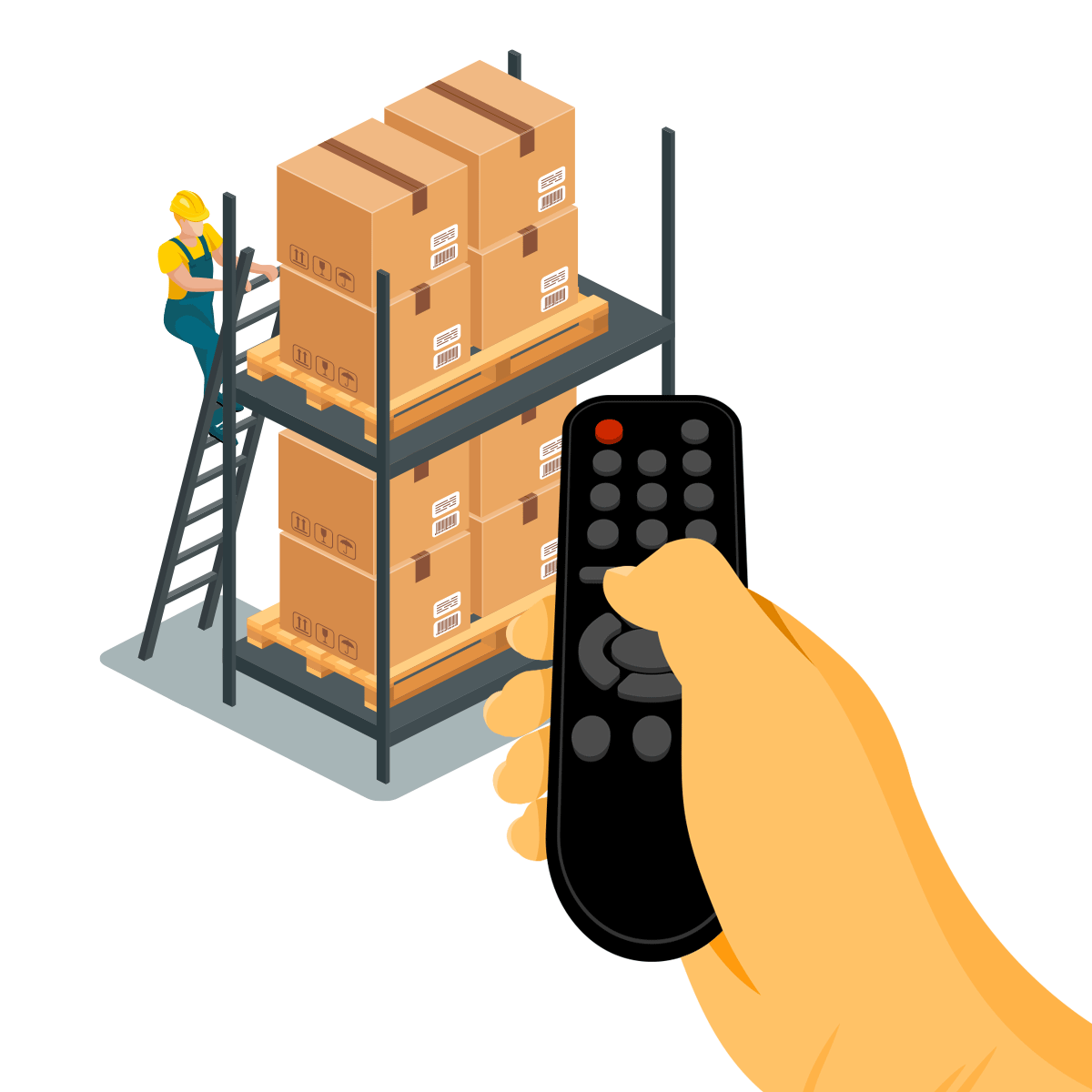 Victims of forced labour are usually tightly controlled by their employers — you may be able to see evidence of this controlling relationship.
Workers might not be able to get out and about on their own. Instead, they’ll be escorted to and from work or the shops, they might be picked up and dropped off at work each day, often at unusual times such as early in the morning or late at night, to avoid being seen. As a result, they might have limited knowledge about the local area and be unsure of their home or work address.
Workers May Be Distrustful and Reluctant to Interact with People
Those being controlled by their employer will often have been threatened against speaking out or made to believe that they can’t trust others. Workers who are being exploited may seem distrustful or reluctant to interact with people other than their employers.
A Lack of Belongings Can Indicate Exploitation
Victims being exploited for labour might not have their personal identification (such as their passport) or they might not have access to a mobile phone. By confiscating these items, owners of modern slaves prevent people from escaping their situation.
Workers may have limited clothing options — if all or most of their earnings are going to their employers, or if they’re unable to visit shops on their own, they might not be able to purchase the clothes they need. If workers appear in the same clothes every day, which might be dirty and worn out, this could be a sign of modern slavery.
Evidence of Injury, Abuse or Malnourishment
People who are forced to work will often show signs of injury, psychological abuse or malnourishment. Their employers might be abusing them to maintain control, and victims often live in overcrowded, dirty accommodation and are given small amounts of food.
Look out for signs of injuries such as bruising, grazes, burns, scalds or scars . Other signs of injuries can include breathing problems, drowsiness, vomiting, and seizures which can stem from types of physical abuse that don’t leave a mark, including poisoning, drowning and suffocation. Symptoms of psychological abuse can include anxiety, criminal behaviour, depression and fear.
If workers have an injury that hasn’t been tended to, this can indicate that they don’t have access to medical care, which is common amongst victims.
Signs of poor self-care and malnourishment may also point towards exploitation. If workers are weak or thin, if they get ill often and take a long time to recover from wounds or illnesses, or if they have poor concentration and are tired all the time, these symptoms could indicate that they’re not getting the nutrition they need.
Victims of Forced Labour Will Often Work Excessively Long Hours
Modern slavery exists because slave owners want to make as much profit as possible. Victims will often be forced to work excessively long hours, starting early in the morning and finishing later than other workers. They may also be deprived of a lunch break and denied weekends or time off.

Achieve the Industry’s highest recognised accreditation, backed by Build UK & CECA with CHAS Elite
The Common Assessment Standard streamlines the construction supply chain and makes it easier for companies to achieve compliance and gain accreditation.
Tackling Modern Slavery in Construction
Because modern slavery comes in many different forms, the above are just some of the signs that can help you identify it in your supply chain. But once you know what to look out for, you can start taking steps to prevent forced labour.
Accept That Modern Slavery Could Be Happening in Your Supply Chain
The first step to tackling modern slavery in construction is accepting that it could be an issue within your supply chain. You need to assess your business for risks of forced labour with an open mind.
Improve Transparency Throughout Your Supply Chain
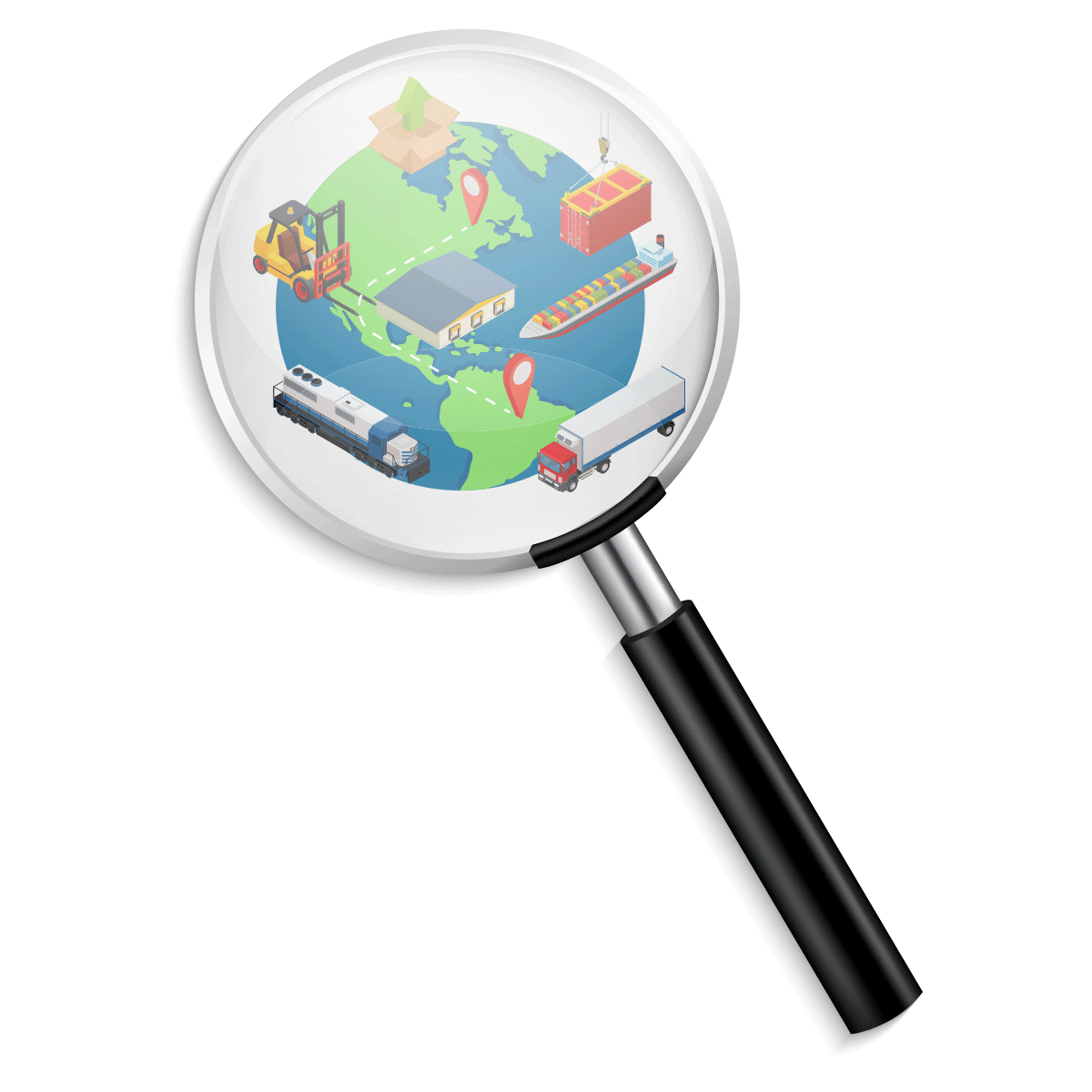 Lack of supply chain visibility is one of the biggest reasons why modern slavery is a big issue in construction supply chains. Taking steps to improve visibility can help you combat exploitation. By improving visibility, you’ll be able to better identify and manage supply chain risks relating to exploitation.
Technology such as the CHAS People Wallet can help you gain visibility into the status of workers in your supply chain — you’ll be able to see workers’ ID, their right to work status, credentials and expiry dates of any qualifications or certifications.
Offer Regular Training About Modern Slavery
Employees, workers and business partners at all levels of your supply chain should be made aware of the risks of modern slavery and how to identify the signs of exploitation. Workers must be reassured that they can report suspected modern slavery without fear of reprisal, the internal reporting process should be made clear and your workforce should be made aware of the online National Referral Mechanism.
Workplace training and education about exploitation shouldn’t just be a one-time training session — it needs to be refreshed, updated and delivered periodically. Posters raising awareness about modern slavery, such as the “Modern Slavery is Closer Than You Think” construction poster can also help to promote a culture of vigilance within your organisation. You can find a number of posters and infographics available to download and print on the HSE website.
Comply with Legislation and Achieve Industry Standards
 Ensuring compliance with legislation such as the Modern Slavery Act 2015 (MSA 2015) can safeguard your business from legal liabilities, and help you combat modern slavery throughout the supply chain.
While the MSA 2015 only requires businesses with an annual turnover of over £36 million to produce a slavery and human trafficking statement, smaller businesses should also review their supply chains to ensure that risks of exploitation are identified and mitigated. To achieve compliance with this Act, you’ll need to ask contractors to share their policies and procedures relating to exploitation, giving you a greater understanding of the different stages of the supply chain.
As well as complying with legislation, achieving accreditation through industry standards such as the Common Assessment Standard can help you ensure that issues such as modern slavery are addressed.
At CHAS, we offer a range of supply chain risk management services that can help your organisation tackle issues such as modern slavery. As a client, you can sign up free of charge and monitor the compliance of your supply chain partners with modern slavery legislation, and check the ID, credentials and right to work of your people.
Alternatively, you can become a CHAS contractor and gain access to industry-leading accreditation schemes and risk management resources, including training modules, risk assessment templates, business shield support and more.
Free Risk Assessment Template
Take the stress and confusion out of creating a risk assessment with our free template.
Enter your details, and we’ll email you a risk assessment template that’s both compliant and comprehensive to use.
By submitting this form you confirm you are happy to be contacted by CHAS in accordance with our Privacy Policy

