

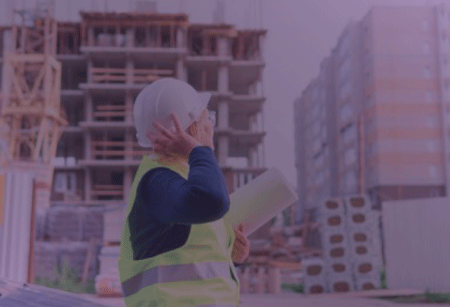
 Health and safety is a priority in most sectors, but in the construction industry, workplace safety can be a matter of life and death. Here’s what you need to know about the importance of building site health and safety (H&S).
The Importance of Site Health and Safety
With so many risks and hazards on building sites, risk assessments and safety precautions are vital in keeping construction workers out of harm’s way. Companies should position construction health and safety at the heart of their training and operations, and all contractors should have completed health and safety assessments associated with their work activities before starting work on building sites.
But why exactly is building site health and safety so important? Here are some of the reasons behind the need for extensive safety measures in the construction industry.
There Are Countless Health and Safety Risks on Building Sites
Working in construction is one of the most dangerous jobs in the world because of the countless risks and hazards of building sites. Working from heights, mobile plant handling heavy loads, operating dangerous machinery, and working around potentially hazardous substances and hazardous materials — such as asbestos — can expose construction workers to the risk of injury and work-related health problems.
Building sites also pose the risk of falling objects and collapsing structures. Hot work hazards — such as welding, cutting, soldering, and any activities that involve using heat or open flames — are also key areas to assess as potential construction health and safety risks. Returning to work under COVID-19 regulations is a timely reminder that construction H&S is more important than ever. Updating risk management on-site should be an ongoing process to ensure construction companies stay compliant with ever-changing legislation.
Free COSHH Risk Assessment Template
Do you or your team handle hazardous chemicals at work?
A COSHH Risk Assessment helps to create a safe working environment. Enter your details for a free template in your inbox.
By submitting this form you confirm you are happy to be contacted by CHAS in accordance with our Privacy Policy
The Scary Statistics of Building Site Injuries
The statistics on construction workers with injuries and health issues demonstrate just how dangerous building sites can be. There are approximately 54,000 non-fatal injuries to workers each year in the UK, the majority of those involve slips, trips, falls, manual handling, and falls from a height.
The construction industry also sees an average of 41 fatalities a year, with 36 of those being construction workers and five being members of the public. 49% of these fatalities are due to falls from a height.
As well as injuries, building sites can expose workers to work-related illnesses and health problems. There are 79,000 construction workers in the UK struggling with work-related health problems such as silicosis, musculoskeletal disorders, and hand-arm vibration syndrome.
These statistics show that building site health and safety is important not just for construction workers, but also for members of the public. Going above and beyond health and safety standards and requirements can keep workers and the public safe.
Get A Free Health Surveillance Template
Are you wondering whether you should adjust your Health Surveillance procedures for your project?
Enter your details to download our free Health Surveillance Template.
By submitting this form you confirm you are happy to be contacted by CHAS in accordance with our Privacy Policy
Protect Your Business as Well as Your Workers
An unsafe building site is a health and safety risk, but it’s also a liability risk. If construction companies or building site managers don’t adhere to H&S standards, the business could be fined, sued, or even banned from operating and in some cases, individuals have been sent to prison.
Construction companies’ attitudes towards health and safety can also affect their reputations. Clients may not be willing to work with a company that doesn’t take health and safety seriously, and a bad reputation can affect employee retention. Both clients and workers would rather work with construction firms that won’t place them or anyone else in harm’s way. Companies that prioritise construction risk management are more reliable for both contractors and clients as they’ll anticipate issues so there are no nasty surprises further down the line.
Get A Free Occupational Health Policy
Are you wondering whether you should update your Occupational Health Policy?
Enter your details to download our free Occupational Health Policy.
By submitting this form you confirm you are happy to be contacted by CHAS in accordance with our Privacy Policy
 How to Improve Building Site Health and Safety
It’s not possible to completely eradicate the risks on building sites, but with effective H&S precautions in place, construction firms can drastically reduce the risk of injury and illness. A thorough risk assessment will help shape procedures in the workplace, and it is a valuable tool for identifying where you can reduce risk.
Consistency in Your Health and Safety Strategy
Construction projects of any size will require a health and safety plan. This will demonstrate that all relevant health and safety elements associated with the project have been considered and will identify how they will be effectively managed. Making information contained within the construction phase health and safety plan available to all workers on site will also be beneficial. Particularly, on large sites with several supervisors, it’s important that the standards agreed in your risk assessment and method statements are consistently monitored by management and supervisors. By making the risk assessment accessible to everyone, construction companies can emphasise the importance of construction health and safety and the need for compliance across the workforce.
Consistent protocols should also extend to excellent communication on-site. When teams — including management — communicate well, this makes for a more harmonious workplace and reduces risks. If workers spot a potential hazard, they’ll need to know the process for reporting the risk. By making reporting and near-miss processes obvious and easy, it has the potential to increase compliance and also the likelihood of spotting and dealing with risks before they become an incident.
Training Workers to Help Reduce Risks on-Site
As well as knowing what risks to look out for and how to report them, workers should know when and how they are expected to deal with a potential hazard on-site. A substantial amount of information can be relayed during the construction site health and safety induction. Including workers in your construction health and safety strategy and plans is a great way to make them feel valued and potentially upskill them too. Additional training to ensure workers are qualified to carry out checks and on-site inspections help management delegate tasks, share responsibility and increase workers’ knowledge and skills. Building on existing qualifications is also recommended such as with the CHAS Deem to Satisfy application, whereby some previous qualifications are recognised and accepted rather than CHAS carrying out a new assessment.
It’s crucial that workers know what actions are beyond their remit and when they need to be escalated to either management or a competent third party. Clearly stating who is responsible for what actions will help avoid unnecessary danger to workers not qualified to manage certain risks.
With the Contractor’s Health and Safety Assessment Scheme, construction firms can find pre-qualified, accredited contractors who have completed health and safety training. Sign up for a free client membership today to safeguard your organisation.
Got A Small Works Job? Get A Free Health & Safety Guide
Are you wondering whether you should adjust your health and safety procedures for your small works project?
Enter your details to download our free guide on how to notify HSE and complete a health and safety file for small works jobs.
By submitting this form you confirm you are happy to be contacted by CHAS in accordance with our Privacy Policy

