

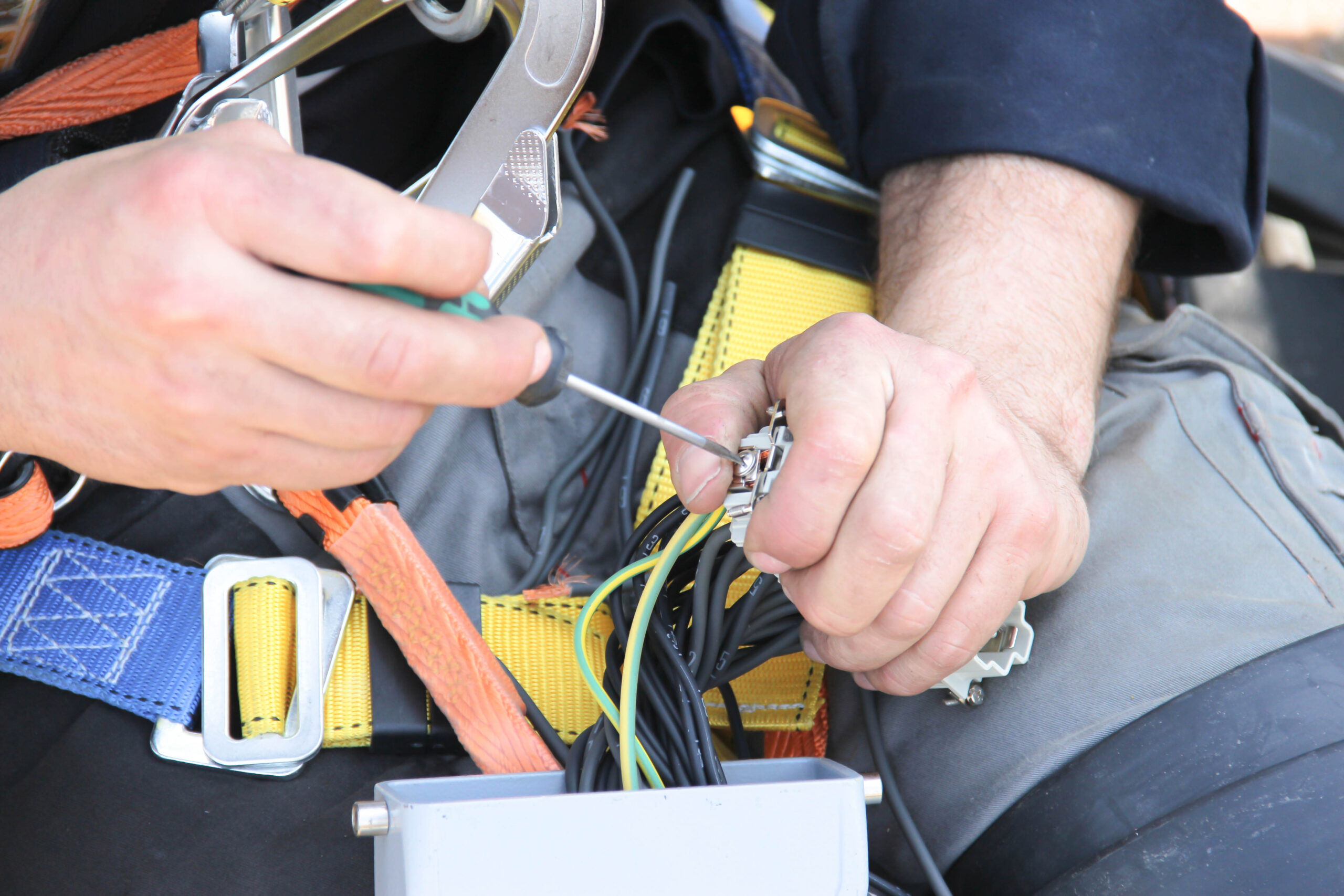
An electrical risk assessment is relevant in any environment where there is electricity, so most workplaces will need to carry one out. The Electricity at Work Regulations provides guidance relevant to all work activities and premises. Here we explore electrical risk assessment examples to look out for in your workplace.

Identifying the Main Hazards in an Electrical Risk Assessment
The main hazards of working with electricity include human contact with live parts and faulty electrical equipment or installation. There is also the risk of electricity becoming the source of ignition around flammables that could cause fires.
Arcing in an electrical panel is a hazard source, often caused by frayed or exposed wires. Overloaded sockets are also a common electrical hazard. Loose wires and cables can prove to be a trip hazard if not appropriately managed.
Who Is at Risk, and How?
Workers coming into contact with live parts are at risk of injuries due to exposure. These risks include electrocution, shocks and electrical burns. It’s also necessary to consider if members of the public could be affected. You’ll need to include them in your electrical risk assessment if they could come into contact with electrical appliances. These risks should be properly assessed and ranked in severity, as electrical hazards can result in life-changing injury and death. Including the seriousness of the repercussions of these risks in electrical risk assessment examples ensure workers understand the importance of compliance.
As well as the primary risks directly from electricity, there are other risks of workplace injury to consider. For example, being exposed to an electric shock while working at a height may carry with it the risk of falling — be it from a ladder or scaffolding.
Electrical Risk Assessment Examples of Precautions to Help Manage Risks
Good practice in the workplace can help eliminate electrical risks by ensuring there is no incorrect use of appliances. Making sure electrical equipment is suited to its intended use and only used for that purpose helps you minimise risks. It is also important that you communicate with workers about the correct use of electrical appliances.
There are elements of individual accountability, whereby management should ask contractors to inspect all electrical appliances before use. Incorporating these checks into a regular schedule will make them a part of workers’ routines, as well as make it easier for management to frequently check compliance. Management should also specify that contractors must not bring equipment on site that is not fit for use and may increase electrical risks.
The starting point for any electrical works including maintenance is to utilise a system to manage the process. A permit to work system can assist with detailing the steps to be taken to complete electrical works in a safe manner if each step is followed and not deviated from. Live electrical working should be avoided if possible. In some cases isolation and lock-off procedures may be required to allow safe electrical working.
In the case of an emergency, having a procedure that all workers are familiar with will help reduce the escalation of electrical risks on site. Machinery should have an accessible switch or isolator to cut off the power quickly in these circumstances.
Ample signage about the dangers of working with electricity will help to reinforce the need for vigilance from workers and signpost where in the workplace is most hazardous. Regular visual checks are also a good way to anticipate any increase in risk, to seek out damage to appliances, cables or poorly executed repairs.
Suitable storage is a great way to reduce risks — for example, boxing in or positioning trailing cables overhead can reduce the risk of trips. Where there are weather dependent risks — e.g. outdoor working outdoors where appliances may get wet in the rain — precautions should be taken to ensure only suitable equipment is used to avoid electrical equipment becoming live. Fuse boxes should remain closed and locked if possible. To avoid explosions, the storage of any flammable items should be at a safe distance from high electricity points in the workplace.
Are You Ready To Be A CHAS Client?
Sign up for FREE today or learn more about our client services by scheduling a callback with one of our friendly CHAS advisors.
Request A Callback
Who Is Responsible for Implementing Changes, and When?
 The key to successfully managed electrical risks lies in both training and maintenance. Work including the inspection and testing of installations should be carried out by a competent person, in this instance, usually an electrician. Providing the person carrying out these checks has the suitable training to reduce electrical risks they are qualified to address any potential hazards identified in your electrical risk assessment. For an idea of standards required on-site, consult additional guidance for electrical risk assessment examples specific to your workplace, like the maintenance of portable electrical equipment.
As part of your electrical risk assessment, include a commitment to fully understand and implement best practices, for example, adhering to the Institute of Engineering and Technology (IET) published IET Wiring Regulations BS7671 — a code of practice for installations operating at up to 1000V AC or 1500V DC.
You must keep everyone accountable for spotting and reporting potential electrical risks as part of your ongoing risk assessment practices. If workers feel confident in identifying a hazard and are well aware of the reporting process, you have more eyes on safety and any risks will be noticed quickly. From a management point of view, fitters, contractors and management should be discussing electrical safety before the job commences to make sure workers have access to the relevant machinery for the task at hand.
It is also imperative to acknowledge when you need to escalate action to a third party. This could include consulting with local companies if you are excavating or digging into the ground where underground cables and other services could be present. When working near or around overhead power lines, you should first check with the cable owners on the specific clearance distances and precautions to be considered.
The checking of competence is not only a legal requirement but crucial when hiring third parties for electrical installation and testing if you don’t have anyone qualified on your team. Allow extra time for this in your risk assessment and request and check the suitability of specific risk assessments from contractors, as deadlines need to take into consideration potential wait times to get work completed. Many of your electrical risk assessment examples won’t have a set deadline for completion of actions because the reduction of risks is ongoing and ever-changing. Any unsafe electrical installations or components should be made safe or isolated to prevent injury.
Ensuring high health and safety standards are communicated and met on-site as part of your daily and weekly routines will help reduce electrical risks and set an example for everyone in your workplace.
When you join CHAS, you’ll get access to various risk management resources — including risk assessment and method statement templates. Join CHAS as a contractor to make the most of these benefits, or become a CHAS client for FREE to access risk management services.

