Hazard symbols are categorised based on the type of risk they represent. Below are the main types of hazard signs, along with their meanings.
Hazard symbols and meanings: the complete safety guide
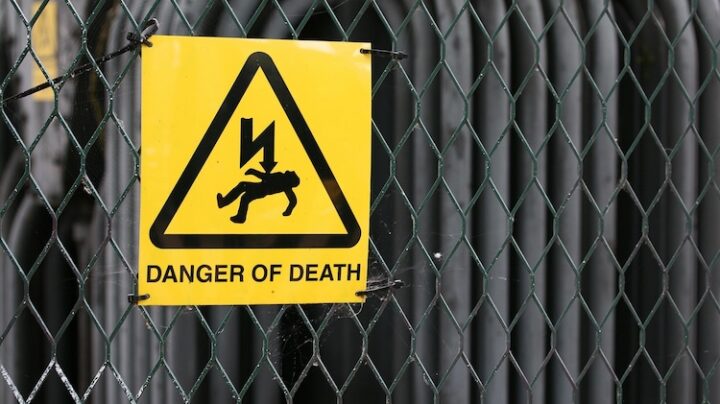
Workplace safety is a top priority in any industry and hazard symbols are crucial in effectively communicating risks. These symbols provide clear, universally recognised warnings about hazardous substances, environments and actions. Understanding what they mean is essential for ensuring compliance with health and safety regulations, preventing accidents and protecting workers.
This guide explains what hazard symbols are, their meanings and how they apply to workplace safety. We’ll also explore different types of hazard signs and their importance in risk management.
What are hazard symbols?
Hazard symbols are pictograms or graphical representations used to warn individuals about potential dangers. These symbols are designed to be easily understood, regardless of language or literacy levels, making them a universal safety measure across industries.
Hazard symbols can appear on:
- Chemical containers
- Workplace safety signs
- Equipment and machinery
- Transport vehicles carrying hazardous materials
Regulatory bodies such as the Health and Safety Executive (HSE) and international organisations like the Globally Harmonised System of Classification and Labelling of Chemicals (GHS) standardise these symbols to ensure consistency and effectiveness.
Types of hazard symbols and their meanings
1. Chemical hazard symbols (GHS pictograms)
The Globally Harmonised System (GHS), adopted by the UK under CLP regulations (Classification, Labelling and Packaging of Substances and Mixtures), defines nine primary chemical hazard symbols.
| Symbol | Meaning | Examples |
|---|---|---|
 Explosive (exploding bomb) | Substances that can explode due to heat, shock, friction, or impact. | Fireworks, ammonium nitrate, TNT |
 Flammable (flame) | Substances that easily ignite when exposed to heat, sparks, or flames. | Petrol, ethanol, acetone |
 Oxidising (flame over circle) | Substances that release oxygen and may cause or intensify fires. | Hydrogen peroxide, potassium nitrate, chlorine |
 Acute toxicity (skull and crossbones) | Substances that can cause serious health effects or death, even in small amounts. | Pesticides, carbon monoxide, methanol |
 Health hazard / hazardous to the ozone layer (exclamation mark) | Substances that may cause irritation, drowsiness, dizziness, or allergic reactions. | Cleaning agents, adhesives, paint thinners |
 Serious health hazard (health hazard symbol) | Long-term exposure may cause cancer, respiratory damage, reproductive harm, or genetic mutations. | Asbestos, benzene, silica dust |
 Gas under pressure (gas cylinder) | Gases stored under pressure that can explode when heated or cause frostbite on contact. | Oxygen tanks, propane cylinders, CO₂ cartridges |
 Corrosive (corrosion symbol) | Substances that can cause severe burns, eye damage, and metal corrosion. | Sulfuric acid, sodium hydroxide (caustic soda), hydrochloric acid |

Hazardous to the environment (environment symbol) | Substances that pose a significant threat to aquatic life or ecosystems. | Pesticides, mercury, heavy metals |
These symbols must be displayed on chemical containers, safety data sheets (SDS) and transport labels to comply with GB CLP regulations. Businesses handling hazardous substances should ensure employees understand these symbols, follow safety protocols and use appropriate personal protective equipment (PPE) when necessary.
2. Safety sign hazard symbols (workplace hazard signs)
In addition to chemical hazard symbols, workplaces use specific safety signs to warn about various dangers. These signs follow the ISO 7010 standard, which aligns with UK regulations.
Mandatory safety signs (blue circles)
 Wear protective equipment | Instructs workers to wear PPE such as hard hats, gloves, or ear protection. |
 Fire exit keep clear | Indicates emergency exits should not be obstructed. |
Warning signs (yellow triangles)
 Electrical hazard | Alerts workers to potential electrical shock risks. |
 Machinery hazard | Warns of entanglement risks with moving machinery. |
 Biological hazard | Highlights risks associated with infectious materials, such as medical waste or lab samples. |
Prohibition signs (Red circles with a line through)
 No smoking | Prohibits smoking in designated areas. |
 No open flames | Prevents fire hazards in flammable environments. |
 No mobile phones | Restricts mobile phone use where it may interfere with equipment. |
Emergency signs (green rectangles)
 First aid station | Prohibits smoking in designated areas. |
 Fire exit route | Prevents fire hazards in flammable environments. |
The importance of hazard symbols in workplace safety
Understanding hazard sign meanings helps businesses:
- Ensure regulatory compliance — UK regulations, including COSHH (Control of Substances Hazardous to Health) and PUWER (Provision and Use of Work Equipment Regulations), require proper hazard signage.
- Reduce workplace accidents — Clear hazard symbols warn employees about risks before accidents happen.
- Improve response times – Employees can quickly identify emergency routes, safety equipment and restricted zones.
Best practices for implementing hazard symbols in your workplace
To maximise workplace safety and ensure compliance with health and safety regulations, businesses should follow these best practices when implementing hazard symbols.
1. Conduct regular risk assessments
Regular risk assessments are essential for identifying workplace hazards and ensuring appropriate hazard symbols are in place. Businesses should:
- Identify areas where hazard symbols are necessary — Assess work environments to determine where warning signs are required.
- Update signage if new risks emerge — Whenever new processes, materials, or equipment introduce additional hazards, update hazard symbols accordingly.
2. Ensure clear and visible signage
Hazard symbols must be easily noticeable to effectively warn employees and visitors of potential dangers. To improve visibility:
- Place hazard signs where they are clearly visible — Ensure signs are positioned at eye level and near the associated hazard.
- Use reflective or illuminated signs in low-light areas — In dimly lit environments, such as warehouses or outdoor worksites, use high-visibility or backlit signage to enhance readability.
3. Train employees on hazard symbols and meanings
Employee training is crucial for ensuring that hazard symbols are understood and properly followed. To strengthen awareness:
- Include hazard symbol training in onboarding programs — New employees should receive training on hazard symbols relevant to their job roles.
- Provide refresher courses to maintain awareness — Conduct periodic training sessions to reinforce knowledge and address updates in hazard regulations.
4. Inspect and maintain hazard signs regularly
Hazard symbols lose effectiveness if they become damaged, faded, or missing. To maintain compliance and safety:
- Check for worn-out, illegible, or misplaced signs — Regularly inspect hazard signs and ensure they remain in good condition.
- Replace damaged signs immediately — If a sign becomes faded or unreadable, replace it promptly to maintain clear communication of hazards.
5. Use digital solutions for hazard management
Technology can enhance workplace safety by providing real-time hazard information and improving compliance tracking. Businesses can:
- Implement electronic hazard communication systems — Digital signage or interactive hazard mapping can help employees stay informed.
- Utilise apps that provide real-time hazard alerts — Mobile applications can notify employees of new hazards and ensure timely updates to safety protocols.
By following these best practices, businesses can create a safer work environment, reduce accidents, and comply with hazard communication regulations.
Ensuring compliance with Veriforce CHAS
Veriforce CHAS helps businesses stay compliant with UK health and safety regulations by offering:
- Compliance verification — Demonstrate your commitment to safety with industry-recognised certification.
- Risk assessment templates — Simplify hazard identification and control measures.
- Health and safety guidance — Access expert advice on implementing hazard symbols effectively.
Hazard symbols are essential tools for workplace safety, helping businesses comply with regulations, reduce accidents and protect employees. Understanding hazard sign meanings ensures risks are clearly communicated, allowing workers to take necessary precautions.
Need support with hazard management and compliance? Contact Veriforce CHAS today to learn more about our safety solutions and certification programs.