


The film industry and TV is an exciting and vibrant sector that captivates audiences worldwide. Behind the glitz and glamour, however, lies a challenging environment full of risks. In this guide, we explain the importance of health and safety in the film and TV industry.
The issue of health and safety in the film industry came under renewed scrutiny in 2021 after actor Alec Baldwin fired a prop gun on the set of Rust, killing cinematographer Halyna Hutchins and wounding director Joel Souza.
A high-profile incident of an actor fatally injuring a production crew member is practically unheard of. But many accidents have occurred where stunt people and on-screen stars have been killed during a film’s production. For instance, a crew member on the set of the Indian film Love You Racchu died after being electrocuted in early 2021.
Why Does Health And Safety In The Film and TV Industry Matter?
Health and safety in the film industry is of paramount importance for several compelling reasons:
Protecting Lives And Preventing Injuries
The film industry involves various high-risk activities, such as stunts, practical and special effects, and the use of heavy equipment. Work also involves long hours, creating risks such as drowsy driving and burnout. It’s a problem serious enough to compel the Broadcasting, Entertainment, Communications and Theatre Union (BECTU) to launch the Eyes Half Shut campaign — a movement to reduce work hours to improve safety, productivity and work-life balance in the film and TV industries.
Legal And Ethical Obligations
Film and TV Production companies — like any other business with employees — have legal and ethical responsibilities to provide a safe workplace for their employees. Adhering to these regulations not only helps companies avoid legal penalties and fines but also demonstrates their commitment to the well-being of their workforce.
Well-Being And Mental Health
Source: Variety
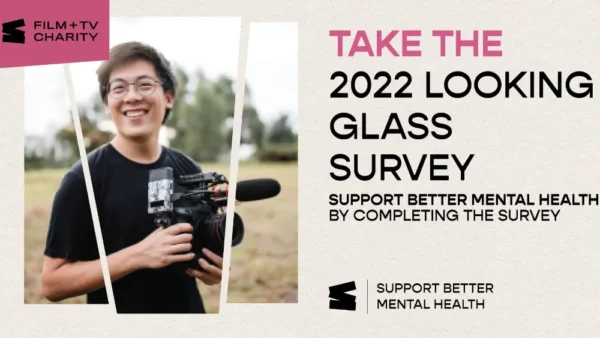
With its demanding schedules, long hours and high-pressure environments, it’s not surprising that the film industry is facing a mental health crisis. According to the Film and TV Charity’s The Looking Glass — a survey of more than 9,000 off-screen professionals in the UK — just 10% “feel the industry is a mentally healthy place to work.” By prioritising health and safety, the industry promotes a culture of care, providing support systems and resources to manage stress, fatigue, and other mental health challenges.
Want to find out more about becoming a CHAS Client?
Find out how to reduce risk in your supply chain and monitor, report on, and improve compliance with CHAS.
Our brochure provides you with an overview of CHAS client services and guidance on how to become a client.
By submitting this form you confirm you are happy to be contacted by CHAS in accordance with our Privacy Policy
Reputation And Public Perception
Accidents or injuries on set can lead to negative publicity, legal battles, and financial repercussions. By upholding rigorous health and safety standards, the industry demonstrates its commitment to responsible filmmaking and maintains a positive image among audiences, investors, and stakeholders.
Productivity And Efficiency
A safe and healthy working environment is conducive to productivity and efficiency. When individuals feel secure in their workplace, they can focus on their tasks without constant worry about potential hazards. The industry ensures a smooth production process by minimising accidents, injuries, and work-related illnesses, reducing disruptions and maximising output.
Talent Retention And Attraction
The film industry thrives on the talent and dedication of its workforce. A commitment to health and safety can be a significant factor in attracting and retaining skilled professionals. When individuals see that their well-being is prioritised, they are more likely to choose employers who prioritise their safety. A positive work environment enhances job satisfaction and fosters loyalty among cast and crew members.
Industry Sustainability
Health and safety considerations extend beyond the immediate well-being of individuals. A sustainable film industry requires long-term planning, including safeguarding its workforce’s health and safety. By investing in health and safety measures, the industry ensures the continuity of production, mitigates risks and contributes to the overall sustainability and growth of the industry.
How To Promote Health And Safety In The Film And TV Industry
Conduct Comprehensive Risk Assessments
A thorough and comprehensive risk assessment is the foundation of a safe film production set. Engage with a qualified health and safety professional to identify potential hazards specific to your production. Assess the risks associated with stunts, special effects, handling of equipment, and any unique aspects of your project. Develop clear strategies and protocols to mitigate identified risks and regularly review and update them as the production progresses.
Implement Safety Protocols And Guidelines
Establish clear safety protocols and guidelines that are communicated effectively to all cast and crew members. Provide detailed instructions on the proper use of safety equipment, handling of hazardous substances, emergency response procedures, and any specific safety requirements for different departments. Encourage open dialogue and feedback, empowering individuals to promptly report potential safety concerns or incidents.
Adequate Safety Equipment And Training
Ensure that appropriate safety equipment is readily available and accessible to all individuals on the film set. This includes PPE such as helmets, goggles, gloves, harnesses, fire safety equipment and first aid kits. Regularly inspect and maintain safety equipment to ensure its effectiveness.
Related Reading: Updated PPE Regulations: What You Need To Know
Conduct regular safety training sessions for all cast and crew members, focusing on relevant topics such as manual handling techniques, working at heights, electrical safety, and emergency evacuation procedures. Provide comprehensive training on the proper usage and maintenance of safety equipment. Continuously reinforce safety practices through refresher courses and periodic safety drills.
Related Reading: Guide To Workplace Health And Safety Training In Construction
Provide Mental Health Support
Recognise the importance of mental health and establish support systems for the well-being of cast and crew members. Encourage open communication and create a non-judgmental environment where individuals feel comfortable discussing their mental health concerns. Provide access to counselling services or develop partnerships with mental health professionals who can offer support and guidance.
Promote work-life balance by implementing reasonable working hours, breaks, and time-off policies. Encourage rest and recovery to prevent fatigue and burnout, which can compromise physical and mental well-being.
Related Reading: Five Ways To Support Mental Health In The Workplace
Collaborate With Industry Stakeholders
Collaboration with industry stakeholders, such as unions, professional organisations, and industry bodies, is crucial in improving health and safety on film production sets. This is where organisations like CHAS, a Veriforce company, come in, providing a path towards upgrading all your contractors, subcontractors and suppliers to your desired level of health and safety accreditation.
Conduct Regular Inspections And Audits
Conduct regular inspections and audits to assess the effectiveness of health and safety measures on film sets. Involve health and safety professionals to identify areas of improvement, address any non-compliance issues, and ensure that safety standards are upheld. Act promptly on feedback and recommendations from these inspections, implementing necessary changes to enhance safety.
Note: The information and insights in this article are provided as general information and should not be taken as legal advice.

If you want to demonstrate your compliance with the evolving landscape of health and safety in the film and TV industry, complete our award-winning health and safety assessments through CHAS Standard. Our CHAS advisors have access to the latest insights and trends in the film and media industry through our partnership with KAYS — the essential resource for the film and tv industry.
Speak to a CHAS advisor to get started.

Achieve the Industry’s highest recognised accreditation, backed by Build UK & CECA with CHAS Elite
The Common Assessment Standard streamlines the construction supply chain and makes it easier for companies to achieve compliance and gain accreditation.

