

A method statement describes, in a logical, step-by-step manner, how a specific task should be done. A method statement considers the health and safety implications of a task and should contain the control measures that must be followed to reduce risk. Method statements are normally used for high-risk activities in construction, such as demolition.
In the 2021 to 2022 reporting period, there were 30 fatal injuries to workers and five fatal injuries to members of the public in the construction sector. The five-year average is 36 fatal injuries to workers per year. The correct use of method statements can significantly reduce the likelihood of an accident taking place.
Risk Assessments And Method Statements (RAMS)
Both method statements and risk assessments work to reduce the risks associated with dangerous tasks. But there are differences between the two documents, and they are not interchangeable.
- Risk assessments: These identify and assess the hazards and risks involved in projects and suggest control measures.
- Method statement: They should expand on the control measures outlined in the risk assessment, detailing how, when and why you should implement measures.
Risk assessments are normally completed first, as a method statement is typically only written once all potential hazards have been identified.
You will typically write more risk assessments than method statements. This is because you will always need to complete a risk assessment to identify and evaluate the potential risks of an activity. Method statements, on the other hand, might only be needed for specific tasks.
Together, risk assessments and method statements are known as RAMS. They are key documents for communicating health and safety procedures to workers, and they are vitally important in dangerous sectors like construction.
As well as RAMS, you should also consider SSOW (Safe Systems of Work). SSOW are a set of procedures that, when followed properly, allows otherwise risky tasks to be completed more safely. A method statement might derive from both a Safe System of Work (SSOW) and a risk assessment.
To learn more about risk assessments, you can read our introduction to risk assessments here. To access a FREE risk assessment template, use this link instead.

Veriforce CHAS Members, start your 1-month free trial of HandsHQ today!
A quick and easy-to-use online tool to help you create professional, customised RAMS in minutes.
What Does A Method Statement Look Like?

Before the method statement is written, all the risks associated with a specific task should have been identified in a risk assessment. A method statement will go into more detail than a risk assessment.
A completed method statement will normally contain the following information:
- A description of the task, as well as the location and date
- The purpose and scope of the method statement
- A description of the different roles needed for task completion, as well as the responsibilities of each role
- Details on the tools and equipment that will be used
- An overview of safety issues to be aware of, as well as steps taken to manage risk
- A step-by-step method of work, including both set up and inspection as needed
- A description of emergency procedures to be followed if needed
- Signatures from the people responsible (e.g. Site Manager and Safety Officer).
What we’ve described above is what you’d normally expect to see in a general method statement. For more complex and dangerous work, you would need a more advanced method statement which might be put together with the help of professional advice.
Certain tasks might have specific documentation to be followed. For example, you might need a TG20:13 sheet for complex scaffolding.
In our blog, How To Write a Method Statement, we explain how to complete a method statement.
Who’s Responsible For A Method Statement?
Normally, it is the employer or person in control of the work who is responsible for a method statement. The employer or person in control of the work will normally delegate the responsibilities of a method statement to a supervisor.
Usually, the supervisor will then put together a method statement and make sure that it is followed correctly. They will also be responsible for making sure that all workers have access to an up-to-date copy of the method statement.
Do You Have To Complete Both A Risk Assessment And A Method Statement?
It is a legal requirement to complete a risk assessment before starting a work project. This is due to the 1999 Management of Health and Safety at Work Regulations (MHSWR), which states that employers must:
“Assess risks to self, employees, and any other people who have contact with the workplace or work processes”.
Risk assessments should be completed for all projects, from small works to complex operations. They detail every task on a project and assign them a risk score before detailing any necessary precautions to mitigate the risk described.
You should also complete a new risk assessment every time a project changes or the on-site workers change. For construction projects, in particular, risk assessments are vital for ensuring the safety of all the workers and can also help make a job run more smoothly and more quickly. To learn more about risk assessments and the law, you can visit the Health and Safety Executive website.
Unlike risk assessments, method statements do not have a specific mention in the MHSWR. However, the MHSWR does state that employers must make “arrangements as are appropriate… for the effective planning, organisation, control, monitoring and review of the preventative and protective measures.”
This means it is a legal requirement for your work to be properly planned and documented. Method statements are a widely accepted way of demonstrating that work has been properly planned and controlled.

When Should You Write A Method Statement?
We’ve established that you should write your method statement only after your risk assessment. You should also ensure that your method statement document is complete before starting work.
A comprehensive method statement will include things like your team’s equipment, personal protective equipment (PPE), detailed steps and emergency procedures, and contact details for health and safety personnel.
It doesn’t make sense only to start to compile these things during a project, as accidents can happen unexpectedly, and you will need your PPE right from the start of a particular job.
If a task changes substantially in a way not covered by the method statement, you should stop work and assess if the method statement is still usable. If the factors affecting the health and safety of a project change, you should review your method statement to make sure safety precautions are still relevant.
Why Are Method Statements Important?
Method statements are important because they help prevent accidents and injuries in the workplace. Method statements are particularly important to monitor construction work because everyday tasks in construction tend to involve high levels of risk. Workers use heavy equipment, work from heights, and are exposed to dangerous materials.
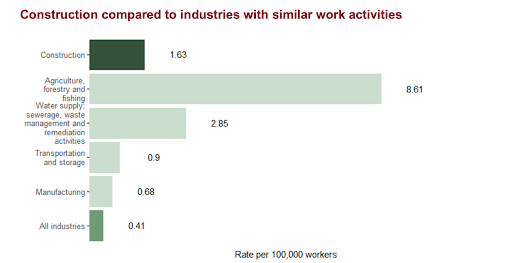
Injuries and work-related illnesses in the construction industry are common, and the fatal injury rate in this industry is three times higher than the all-industry rate. Non-fatal injuries are relatively common, and they can put a worker out of action for days, weeks or even longer. In the UK, it’s estimated that 28.2 million working days are lost each year to musculoskeletal problems alone.
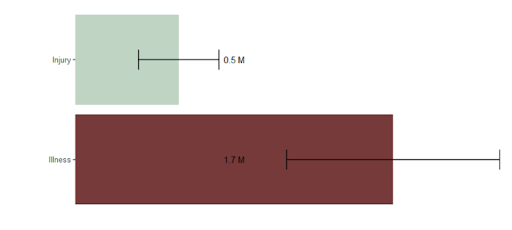
Working days lost to injury and illness in construction (estimated annual average 2018 to 2022)
According to a study published in 2022, there were an estimated 42,000 cases of work-related musculoskeletal disorders in construction, accounting for over 50% of workplace ill health in the sector. While difficult to eliminate, properly followed risk assessments and method statements can reduce the risk of musculoskeletal disorders.
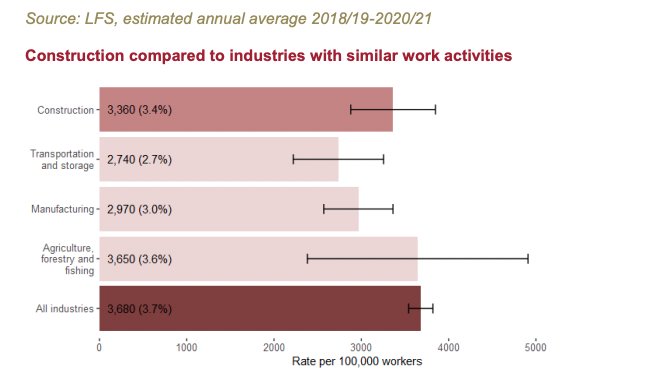
Poor health and work-related illness can cost a business time and money. The government reports that “combined costs from worklessness and sickness absence amount to approximately £100 billion annually” across the UK.
By using method statements to control risks, you can protect workers, site visitors, and members of the public from harm. These things will ultimately protect your team and also save you money.
How Can You Create A Method Statement
To create a method statement, it’s easiest to start with a template or specially designed software, such as CHAS RAMS. CHAS RAMS, which comes with a one-month free trial for CHAS Members, allows you to create both risk assessments and method statements in minutes. You can also easily share your method statement with clients as a PDF.
You should begin your method statement document with an overview of the project, including useful at-a-glance information like expected completion dates, work permits, and the site address.
After this, you should compile a checklist of hazards and safety measures you’ve identified during your risk assessments, including what the project entails, dangerous equipment, the standard operating procedure for that site and emergency procedures.
Remember to get a signature from the person responsible for the method statement. You should also make sure that each relevant worker is shown the method statement and has easy access to the document for future reference.
Join CHAS as a contractor and gain access to risk mitigation and compliance services. As a CHAS member, you’ll have access to RAMS templates, plus our award-winning team will help guide you through your method statement procedure.
Free Safety Method Evaluation Statement
Use our free safety method statement evaluation template to ensure your teams are health and safety compliant.
Enter your details and receive your free safety method evaluation statement template in your inbox.
By submitting this form you confirm you are happy to be contacted by CHAS in accordance with our Privacy Policy