
A confined spaces risk assessment is a formal evaluation of the potential hazards in a confined area and the likelihood of harm occurring. It’s not just about ticking boxes; it’s about ensuring that each aspect of confined space work is understood and that all risks are sufficiently controlled. The main objectives of a confined space risk assessment are:
1. Identifying hazards
Confined space hazards could include anything from the accumulation of toxic gases to inadequate ventilation. The first step is understanding what hazards are present in the confined space; some examples include:
- Oxygen deficiency: Oxygen levels below 19.5% can cause suffocation. A confined space with poor ventilation may have reduced oxygen levels, which could be caused by naturally occurring reactions (like rusting) or the presence of other gases.
- Toxic atmospheres: Harmful gases, fumes, or vapours could be present due to the processes carried out inside the confined space, such as welding or painting.
- Hazardous substances: Confined spaces may harbour hazardous materials, including liquids or chemical residues. Workers may suffer burns, chemical exposure, or respiratory damage. Risk assessors must consider any prior contents of the confined space and any residual substances that may still pose a danger.
- Physical hazards: These may include sharp edges, narrow spaces, slippery surfaces, moving machinery, or unstable materials that can cause crushing injuries.
- Fire and explosion risks: Flammable vapours or gases can accumulate in confined spaces, creating an environment where a small spark could ignite a catastrophic fire or explosion. The confined nature of the space often intensifies these dangers due to the limited escape routes.
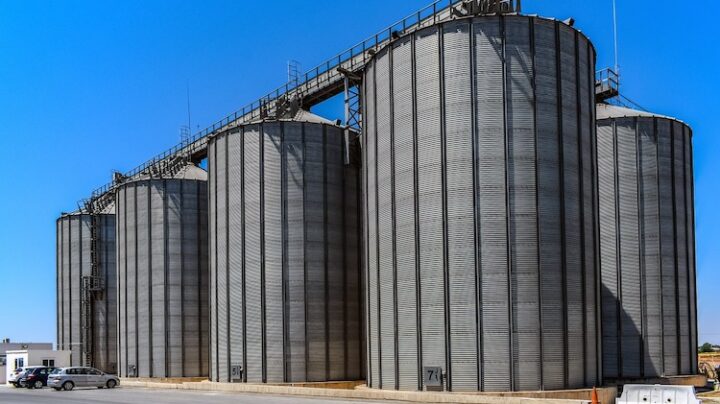
- Entrapment: In environments such as silos or trenches, the risk of engulfment or being trapped by a structural collapse is high. Workers can be buried or crushed if material moves unexpectedly or if a support structure fails.
2. Evaluating risks
Once hazards have been identified, the next step is to evaluate the level of risk they pose. Assessors should take into account factors such as the number of workers required, the duration of the work, the confined space’s history and any adjacent processes that might introduce additional hazards. For instance, nearby machinery may introduce heat, noise, or even toxic substances into the confined space.
Related reading: Health and safety 101: Explaining the differences between risks and hazards
3. Implementing control measures
The most effective way to mitigate risk is to eliminate the need for entry. However, if working in confined spaces is unavoidable, control measures must be implemented. These might include:
- Ventilation systems: Introducing fresh air into the space can mitigate oxygen deficiency and toxic atmospheres.
- Gas monitoring: Continuous monitoring for harmful gases is essential to ensure the safety of workers.
- Personal Protective Equipment (PPE): Workers may need specialised equipment such as respirators, helmets and safety harnesses.
- Training and supervision: Workers must be trained in the risks specific to confined spaces and how to use control measures effectively.
- Ensuring safe access and exit: The risk assessment must include how workers will safely enter and leave the confined space.
A confined space should always be tested for atmospheric hazards before anyone enters, and continuous monitoring should be carried out throughout the work.
4. Developing a rescue plan
If something goes wrong, being able to react and take action quickly can make all the difference. The plan should address how workers will be rescued in the event of an emergency, considering factors like the location of the confined space, the number of entry and exit points and the type of equipment needed for rescue operations.
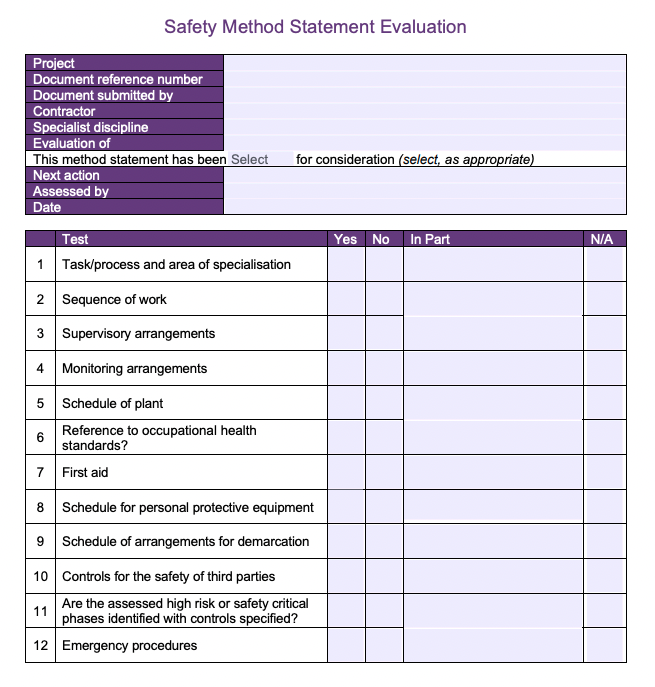
5. Documenting the assessment
It’s essential to document all findings, evaluations and control measures. This ensures that everyone involved in the confined space work understands the risks and steps taken to mitigate them.