How to control and mitigate hazards
Once hazards have been identified, businesses must implement appropriate control measures to minimise risks and protect workers. The hierarchy of hazard control provides a structured approach to risk reduction, prioritising the most effective solutions first.
1. Elimination — removing the hazard entirely
Eliminating a hazard is the most effective form of control because it removes the risk at its source. Businesses should assess whether a task, material, or process can be entirely eliminated or substituted with a safer alternative.
For example:
- Replacing a hazardous chemical with a non-toxic alternative to prevent exposure.
- Automating manual lifting tasks to eliminate the risk of musculoskeletal injuries.
- Designing machinery and processes to remove the need for high-risk tasks, such as working at height.
While elimination is the ideal solution, it may not always be feasible. In such cases, other control measures must be implemented.
2. Engineering controls — reducing exposure through design
Engineering controls involve modifying equipment, processes, or workplace layouts to reduce hazard exposure. These measures do not rely on worker behaviour, making them more effective than administrative controls.
Examples include:
- Ventilation systems to remove airborne contaminants and prevent respiratory illnesses.
- Machine guarding to protect workers from moving parts and prevent injuries.
- Acoustic barriers to reduce noise levels and prevent hearing damage in industrial settings.
By integrating engineering controls into workplace design, businesses can significantly lower risk levels.
3. Administrative controls
When hazards cannot be eliminated or engineered out, businesses must rely on administrative controls — procedural measures designed to minimise exposure and improve workplace safety.
These include:
- Comprehensive safety training programs to educate employees on hazard recognition and safe working practices.
- Clear safety policies and standard operating procedures (SOPs) to ensure consistency in hazard management.
- Shift rotations and job rotations to limit exposure to hazardous environments, such as excessive noise or chemical handling.
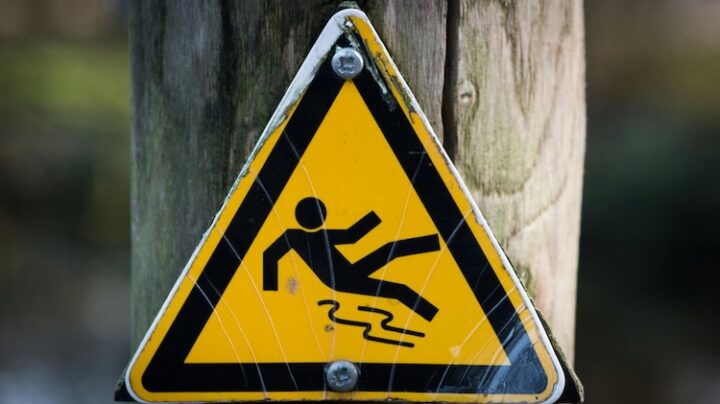
- Warning signs and labels to communicate risks effectively in high-hazard areas.
While administrative controls are crucial in hazard mitigation, they are less reliable than elimination or engineering controls as they depend on employee compliance.
4. Personal protective equipment (PPE)
PPE is considered the last resort in hazard control because it does not eliminate risks — it only reduces the severity of exposure. However, in situations where other controls are not possible or sufficient, PPE provides essential protection.
Examples of PPE include:
- Helmets, gloves, and safety boots for protection against physical hazards such as falling objects, sharp materials and impact injuries.
- Respirators and face masks to protect workers from airborne contaminants like dust, fumes and toxic gases.
- Safety goggles and face shields to prevent eye injuries from chemical splashes, flying debris, or bright light exposure.
- Hearing protection, such as earplugs or earmuffs, for employees exposed to excessive noise levels.
To ensure PPE is effective:
- It must be fit for purpose and meet relevant safety standards.
- Employees should receive training on proper usage, maintenance and storage.
- Employers must conduct regular inspections to check for wear and tear.
A combination of these hazard control methods is often necessary to create a comprehensive risk management strategy. Businesses should prioritise higher-level controls, such as elimination and engineering solutions while using administrative measures and PPE as supplementary safeguards.