
Asbestos awareness: 7 asbestos facts you need to know
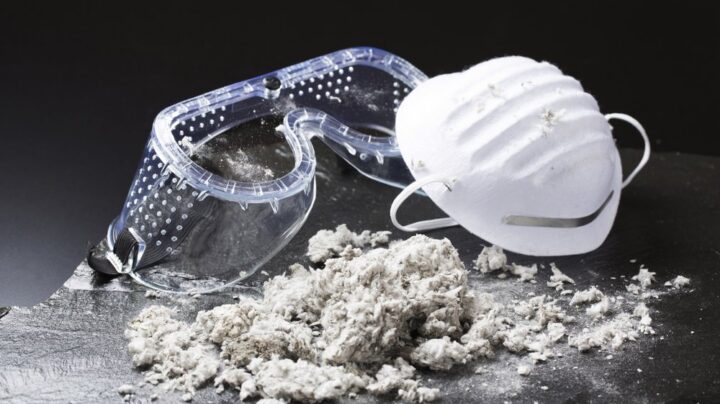
Asbestos is naturally occurring
A common misconception is that the term “asbestos” refers to one material, but asbestos is actually a group of six, naturally occurring minerals.
- Chrysotile — this is the most common type of asbestos, also known as white asbestos. It was previously used in floors, roofs, ceilings and walls of properties for insulation, sound and fireproofing.
- Amosite — also known as brown asbestos, this is one of the most hazardous types of asbestos, with needle-like fibres that are easily inhaled. It is found in cement sheets, pipe insulation and thermal insulation products.
- Crocidolite — blue asbestos insulated steam engines and created spray-on coatings, plastic and cement products.
- Tremolite —- this mineral can be white, grey, green or transparent and has extremely fine fibres. It has some industrial applications, for example, as a fire retardant and in heat protection, but it wasn’t used for commercial purposes.
- Actinolite — this type of asbestos wasn’t particularly widely used, but it is found in some asbestos products such as insulation.
- Anthophyllite — this mineral also wasn’t used as much as other types of asbestos. But traces of anthophyllite can appear in chrysotile asbestos.
These minerals form on metamorphic rocks and comprise of long, thin fibres, pulled apart to create a more fluffy consistency. Asbestos, in its natural environment, can still be dangerous to humans if it is disturbed.
Asbestos fibres enter the body through inhalation
When asbestos is disturbed or damaged, it releases tiny fibres into the air. These fibres can easily be inhaled without the person even noticing. They can become trapped in the nose or throat, or they can work their way into the lung or digestive tract. Once the fibres enter the body, this is when they start to cause health problems.
Asbestos can cause a range of medical conditions
Asbestos can cause several different medical problems, depending on where the mineral becomes trapped in the body. Asbestos that enters the lungs will damage and scar lung tissue and can cause serious conditions including lung cancer, asbestosis, mesothelioma and non-malignant pleural disease. These conditions attack the lungs and other internal organs and can be life-threatening.
Symptoms of asbestos exposure include respiratory complications such as shortness of breath, chest pain, and crackling when breathing. High blood pressure, swelling of the face, neck, or fingertips and extreme fatigue can also be signs someone has been exposed to this dangerous material.
Asbestos-related health conditions can go undetected for decades
Asbestos-related health issues are made even scarier by the fact they aren’t always diagnosed straight away. It can take many decades, often between 20 and 50 years, for symptoms of asbestos-related health problems to appear. By this point, the person may have sustained a lot of internal damage.
The UK has the highest asbestos-related death rates
Britain used to be one of the world’s largest importers of asbestos and while the use of asbestos was banned in the UK in 1999, it can still be found in many old buildings and structures.
For both contractors and members of the public, asbestos is still a big worry. The UK has the highest number of asbestos-related deaths in the world and the last few years have seen more asbestos-related deaths than ever before. The reported figures may not even include lung cancer deaths caused by asbestos. So many people were exposed to asbestos between the 1950s and 1970s, and for many, the symptoms of asbestos exposure are only now emerging and causing severe health problems.
There is no safe level of asbestos exposure
Throughout the 20th century, governments implemented asbestos regulations and limits, reducing how much asbestos could be used rather than banning it completely. However, studies have since revealed there is no safe level of asbestos exposure. That’s not to say everyone exposed to asbestos will develop health problems, but any level of exposure will increase the likelihood of asbestos-related medical issues.
Asbestos is still used around the world
Despite the proven health risks associated with asbestos exposure, many countries continue to use asbestos. Russia, the US and Asian countries still mine asbestos and use the material for industrial and commercial purposes. And inevitably, products containing asbestos can make their way into countries where the mineral is banned completely.
CHAS offers contractors health and safety training access, including UKATA-approved asbestos awareness training. Become a CHAS member today and gain access to training on top of our award-winning assessment services under SSIP (CHAS Standard), PAS91 (CHAS Advanced) and the Common Assessment Standard (CHAS Elite).
As a CHAS member, you can also prequalify for projects listed by CHAS clients and save money with discounted fuel and business insurance.