

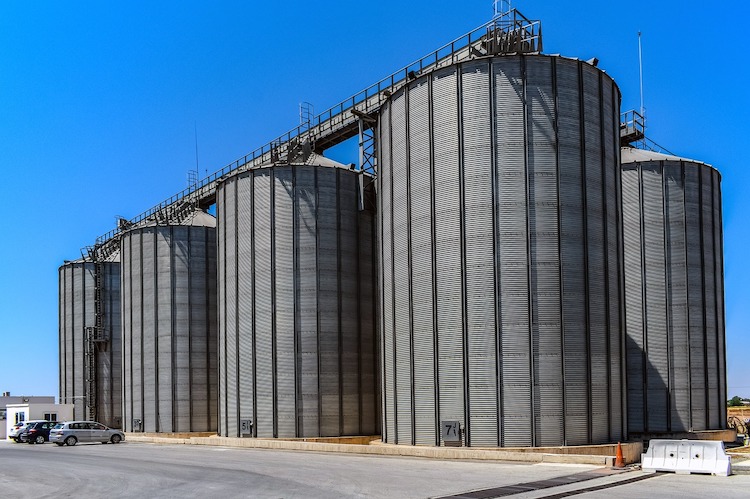
Every year in the UK, around 15 people die from working in confined spaces. These areas can present significant dangers to workers, as they’re not designed for human occupancy but may require occasional access for maintenance, repairs or cleaning. The risks posed by confined spaces can be severe, leading to serious injury or fatalities.
A confined space is referred to as any space where serious injury can occur from hazardous conditions like toxic fumes, lack of oxygen or the risk of fire. These spaces can include tanks, silos, pipes or even crawl spaces that may be found in construction, manufacturing and many other industries.
To protect workers, employers are required to perform a confined spaces risk assessment, as stipulated by UK regulations.
Related Reading: What Are The Types Of Risk Assessments?
Why Is A Confined Spaces Risk Assessment So Important?
A confined space risk assessment aims to identify hazards, evaluate risks, and implement control measures to protect workers. Without an effective risk assessment, workers could be exposed to life-threatening conditions such as suffocation and poisoning or may even become trapped.
According to The Confined Spaces Regulations 1997, workers must avoid entry to confined spaces if possible. If entry is necessary, a risk assessment must be conducted and safe systems of work must be in place. Workers must also be given proper training to deal with specific hazards that they may encounter in these environments.
The Purpose Of A Confined Spaces Risk Assessment
A confined spaces risk assessment is a formal evaluation of the potential hazards in a confined area and the likelihood of harm occurring. It’s not just about ticking boxes; it’s about ensuring that each aspect of confined space work is understood and that all risks are sufficiently controlled. The main objectives of a confined space risk assessment are:
1. Identifying Hazards
Confined space hazards could include anything from the accumulation of toxic gases to inadequate ventilation. The first step is understanding what hazards are present in the confined space; some examples include:
- Oxygen Deficiency: Oxygen levels below 19.5% can cause suffocation. A confined space with poor ventilation may have reduced oxygen levels, which could be caused by naturally occurring reactions (like rusting) or the presence of other gases.
- Toxic Atmospheres: Harmful gases, fumes, or vapours could be present due to the processes carried out inside the confined space, such as welding or painting.
- Hazardous Substances: Confined spaces may harbour hazardous materials, including liquids or chemical residues. Workers may suffer burns, chemical exposure, or respiratory damage. Risk assessors must consider any prior contents of the confined space and any residual substances that may still pose a danger.
- Physical Hazards: These may include sharp edges, narrow spaces, slippery surfaces, moving machinery, or unstable materials that can cause crushing injuries.
- Fire and Explosion Risks: Flammable vapours or gases can accumulate in confined spaces, creating an environment where a small spark could ignite a catastrophic fire or explosion. The confined nature of the space often intensifies these dangers due to the limited escape routes.
- Entrapment: In environments such as silos or trenches, the risk of engulfment or being trapped by a structural collapse is high. Workers can be buried or crushed if material moves unexpectedly or if a support structure fails.
2. Evaluating Risks
Once hazards have been identified, the next step is to evaluate the level of risk they pose. Assessors should take into account factors such as the number of workers required, the duration of the work, the confined space’s history and any adjacent processes that might introduce additional hazards. For instance, nearby machinery may introduce heat, noise, or even toxic substances into the confined space.
Related Reading: Health And Safety 101: Explaining The Differences Between Risks And Hazards
Free Risk Assessment Template
Take the stress and confusion out of creating a risk assessment with our free template.
Enter your details, and we’ll email you a risk assessment template that’s both compliant and comprehensive to use.
By submitting this form you confirm you are happy to be contacted by CHAS in accordance with our Privacy Policy
3. Implementing Control Measures
The most effective way to mitigate risk is to eliminate the need for entry. However, if working in confined spaces is unavoidable, control measures must be implemented. These might include:
- Ventilation Systems: Introducing fresh air into the space can mitigate oxygen deficiency and toxic atmospheres.
- Gas Monitoring: Continuous monitoring for harmful gases is essential to ensure the safety of workers.
- Personal Protective Equipment (PPE): Workers may need specialised equipment such as respirators, helmets and safety harnesses.
- Training and Supervision: Workers must be trained in the risks specific to confined spaces and how to use control measures effectively.
- Ensuring Safe Access and Exit: The risk assessment must include how workers will safely enter and leave the confined space.
A confined space should always be tested for atmospheric hazards before anyone enters, and continuous monitoring should be carried out throughout the work.
4. Developing a Rescue Plan
If something goes wrong, being able to react and take action quickly can make all the difference. The plan should address how workers will be rescued in the event of an emergency, considering factors like the location of the confined space, the number of entry and exit points and the type of equipment needed for rescue operations.
5. Documenting the Assessment
It’s essential to document all findings, evaluations and control measures. This ensures that everyone involved in the confined space work understands the risks and steps taken to mitigate them.
Method Statement For Confined Spaces
Beyond the risk assessment itself, a method statement must be created. This will describe the methods and procedures workers must follow to minimise the risks of confined space entry. The system should cover:
- Preparation for Work: Checking that the space is safe to enter, using gas monitors and ensuring ventilation is working.
- Control Entry: Limiting the number of people entering the confined space and using a permit-to-work system to control access.
- Continuous Monitoring: Maintain safety throughout the work by continuously monitoring the environment for any changes that could affect worker safety.
- Emergency Procedures: Develop and communicate a plan for quick rescue if an emergency arises, including details on access, exits and necessary equipment.
Here is an example of what a typical method statement looks like:
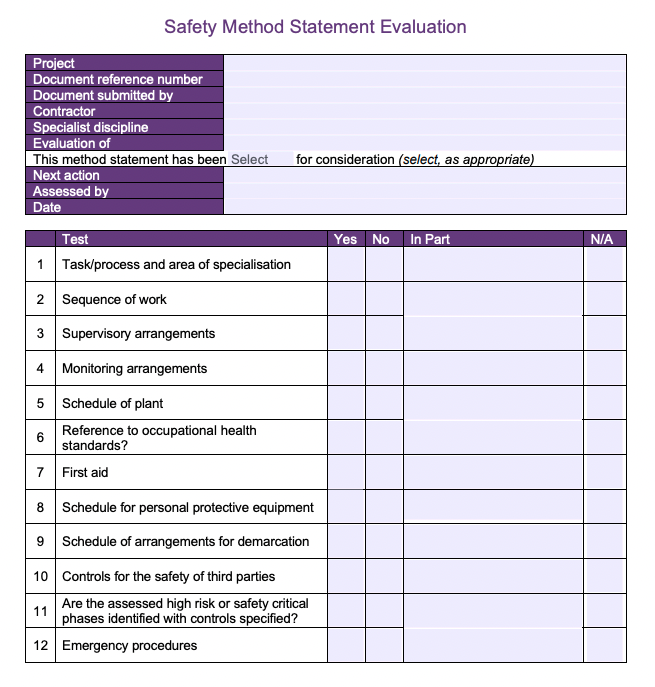
A method statement ensures that all risks are managed systematically and that workers are aware of their roles and responsibilities. It complements the risk assessment by providing a detailed, step-by-step guide to safe working practices in confined spaces.
Related Reading: Risk Assessment Vs Method Statement: What Are The Key Differences?
Training And Competence
Proper training is crucial to the effectiveness of a confined space risk assessment. Not only do workers need to understand the specific risks involved in confined space work, but they also need to be trained on how to use PPE, any monitoring equipment if necessary and how to communicate in a confined space (radios or other communication tools may be needed).
The employer is responsible for ensuring that all workers are trained and competent before they enter a confined space. This includes having the skills to carry out tasks safely and knowing how to respond in the event of an emergency.
A confined space risk assessment is vital for workplace safety, especially in industries that require work in these dangerous environments. By systematically identifying hazards, evaluating risks and implementing control measures, employers can protect workers from the significant risks of confined spaces.
Streamline your risk management and safety compliance today. Join Veriforce CHAS to access free risk assessment templates and method statements to help your business meet health and safety obligations while boosting your credibility.
Become a CHAS contractor to take full advantage of our benefits, or join as a CHAS client for FREE to access our comprehensive supply-chain risk management services.
Free Safety Method Evaluation Statement
Use our free safety method statement evaluation template to ensure your teams are health and safety compliant.
Enter your details and receive your free safety method evaluation statement template in your inbox.
By submitting this form you confirm you are happy to be contacted by CHAS in accordance with our Privacy Policy

