


A company’s reputation is one of its most valuable assets, but also one of its most vulnerable, especially when public perception can shift overnight. It doesn’t matter if it’s a health and safety breach, a supply chain issue, or a data privacy violation; the consequences of reputational risk can be swift and far-reaching. According to Trustpilot, 90% of people will avoid a company with a bad reputation.
Yet many UK businesses remain unprepared when it comes to identifying, measuring, and managing risk to reputation. Reputational risk management should become a board-level priority, not just a PR afterthought, especially when 70-80% of market value comes from reputation. This guide explores reputational risk and its importance while offering proactive approaches to protecting its standing.
What Is Reputational Risk?
Reputational risk refers to the potential loss or damage to a company’s brand, public perception, or stakeholder trust that results from negative publicity, ethical misconduct, non-compliance, or operational failure. Compared to other forms of risk, such as financial or legal, reputational risk is intangible, yet its consequences are very real.
The sources of reputational risk are varied and often interconnected, and can include:
- Health and safety incidents
- Non-compliance with legal or industry standards
- Poor working conditions in the supply chain
- Environmental harm or lack of sustainability
- Data breaches or privacy failures
- Negative media converge or social media backlash.
The hardest part about reputational risk is its ripple effect. Once damaged, reputation can influence investor confidence, employee morale, consumer loyalty, and even the ability to secure contracts or insurance.
Related Reading: Risk Handling Strategies: How To Mitigate And Manage Uncertainty
Free Anti-Corruption & Bribery Policy Template
Hit your anti-corruption and bribery targets by learning how to complete an Anti-Corruption & Bribery Policy Evaluation.
Enter your details and get a free template in your inbox detailing everything you need to know to create a policy for your organisation.
By submitting this form you confirm you are happy to be contacted by CHAS in accordance with our Privacy Policy
Why Should Businesses Prioritise Reputation Risk?
A good reputation is hard-earned but easily lost. According to KRC research, 63% of a company’s market value comes from its reputation. When it comes to the UK’s heavily regulated industries, trust is both an advantage and a licence to operate.
Here’s why you should focus on risk management:
1. Protect Business Continuity
Reputational crises can put a stop to operations while triggering legal investigations, which can deter stakeholders. For example, a health and safety breach on a construction site could lead to HSE intervention, revoked contracts, and widespread negative media coverage within days.
2. It Influences Procurement Decision
Public and private sector clients increasingly expect contractors and suppliers to demonstrate compliance with transparency and ethical responsibility. Membership in a recognised assessment scheme like Veriforce CHAS signals your business takes risk and reputation seriously.
3. It Impacts Revenue and Growth
A report by Deloitte found that 87% of executives rate reputation risk as more important than other strategic risks. They’re right to be concerned: companies that experience a reputation-damaging event can lose up to 30% of their market value in the aftermath.
4. It Builds Stakeholder Confidence
Investors, customers, employees, and partners want to work with reputable businesses. A solid reputation enhances trust, attracts talent, and increases stakeholder loyalty, which may happen during a crisis.
Common Causes of Reputation Risk
There are many ways to manage reputational risk, with the first being understanding the root causes.
Below are key areas where lapses can have outsized consequences:
Health and Safety Failures
Source: HSE
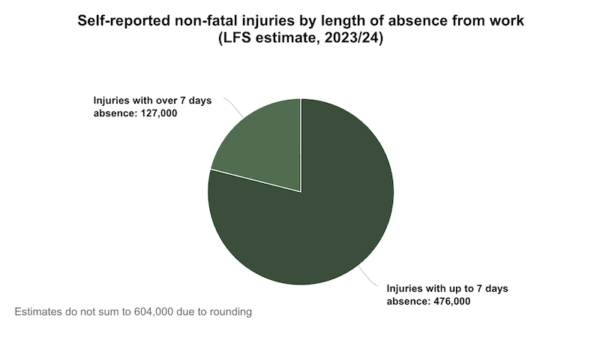
A single workplace accident can spark media scrutiny and damage years of credibility. In 2023/2024, the Health and Safety Executive (HSE) reported over 600,000 non-fatal workplace injuries in the UK. When these incidents involve regulatory breaches or poor safety culture, the reputational fallout can be significant. Of those 600,000 non-fatal workplace injuries, 127,000 (21%) resulted in over 7 days of absence from work, a significant chunk of time that can affect public perception with workers being off.
Compliance Violations
Non-compliance with legislation such as the Health and Safety at Work Act 1974, the Modern Slavery Act 2015, or UK GDPR can lead to fines and a public perception of negligence or indifference. For organisations in high-risk sectors, failing to meet accreditation standards can severely dent their risk reputation.
Supply Chain Issues
Reputational risk is not limited to your organisation. If a supplier is caught using unsafe labour practices or cutting corners on safety, the reputational impact can cascade up the chain. That’s why third-party verification through Veriforce CHAS is more important than ever.
Poor Environmental And Social Governance (ESG)
Source: PwC
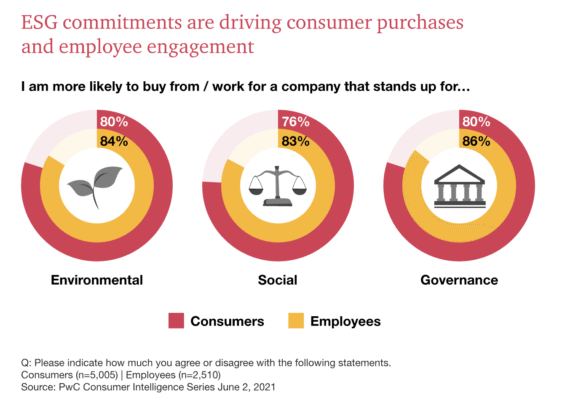
With ESG reporting gaining traction in the UK, companies that fail to meet environmental or social expectations can lose customers and investors. A PwC survey found that 83% of consumers won’t buy from any companies that treat the environment or employees poorly.
Related Reading: Risk Identification: Techniques To Spot And Address Business Risk
The Real Cost of Reputational Risk
Reputation is often called a “soft asset”, but its impact is huge and can have lasting consequences. You can measure the cost of reputational damage in:
- Revenue loss: Companies can lose significant annual revenue after a major reputational crisis.
- Contract loss: In safety-critical industries like construction or infrastructure, reputational risk can result in disqualification from tenders.
- Recruitment challenges: According to Glassdoor research, 50% of job seekers say they would not work for a company with a negative reputation.
- Shareholder decline: Public companies can see a sharp stock drop following reputational events, sometimes within hours.
How to Identify Reputation Risk
To reduce reputational exposure, you must first identify where you’re vulnerable. Consider these core risk categories:
- Health and Safety — Perceived disregard for employee or public well-being
- Regulatory Compliance — Legal consequences and loss of accreditation
- Cybersecurity — Loss of customer trust after a data breach
- Supply Chain — Guilt by association with unethical or unsafe practices
- Environmental Impact — Seen as irresponsible or misaligned with ESG goals
Strategies for Managing and Reducing Reputational Risk
A proactive strategy is the best approach to risk reputation. Here are a few ways businesses can safeguard their reputation:
1. Conduct Regular Risk Assessments
Routine assessments, such as health and safety audits, supply chain reviews, and ESG maturity checks, are vital. Use third-party services like Veriforce CHAS to ensure objectivity and consistency across operations.
2. Develop a Risk Handling Framework
Following the ISO 3100 risk management principles, businesses should:
- Identify reputational risk triggers across departments
- Assess likelihood and severity
- Implement controls and contingency plans
- Monitor and review regularly.
3. Enhance Health and Safety Culture
Embedding a culture of safety from the top down strengthens your reputation internally and externally. Businesses that are Veriforce CHAS-certified demonstrate a verified commitment to maintaining safe, compliant workplaces.
4. Ensure Supply Chain Transparency
Third-party contractors and suppliers are often the weakest link. Veriforce CHAS helps businesses verify supplier compliance with health, safety, and sustainability benchmarks, ensuring risk is minimised across the procurement ecosystem.
5. Invest in Crisis Management Planning
When reputation is on the line, a slow or tone-deaf response can worsen things. Develop a robust communications and incident response plan that covers stakeholder notification, media response strategy, internal briefing procedures, and legal and compliance alignment.
Related Reading: When Should a Risk Assessment Be Carried Out?
How Risk Management Tools Support Reputation Protection
Effective reputational risk management doesn’t happen in isolation. It requires the right systems, processes, and insights to support ongoing monitoring, compliance, and improvement. Modern risk management tools and platforms help businesses avoid any potential threats and demonstrate their commitment to high standards.
Contractor Certification and Prequalification
Using third-party certification schemes allows businesses to verify that their contractors and suppliers meet strict safety and compliance criteria. This reduces the risk of reputational damage stemming from non-compliant partners or subcontractors.
ESG and Sustainability Benchmarking
Assessment frameworks that evaluate ESG performance can help companies align with regulatory expectations and stakeholder values. Benchmarking ESG maturity across areas such as labour practices, health and safety, and environmental responsibility ensures that reputational risks related to ethics or sustainability are addressed early.
Real-Time Compliance Monitoring
With digital compliance platforms, businesses can track the performance of their teams in real time. Potential issues can be identified before they escalate into public or legal crises, ensuring action can be taken.
Customised Risk Management Strategies
Risk management frameworks are necessary to protect a business’s reputation. These strategies can include regular audits, and incident reporting mechanisms, and training protocols. Crisis communication plans can also be used to manage risk.
Make Reputation A Strategic Priority
Reputational risk doesn’t just affect major brands or listed companies. SMEs, contractors, and suppliers across the UK are just as vulnerable, especially in sectors like construction, healthcare, and facilities management, where safety and compliance are paramount.
By treating risk reputation as a strategic asset and investing in robust processes, independent accreditations, and supplier transparency, businesses can avoid costly crises and position themselves as trusted in their fields.
Partner with Veriforce CHAS to take control of your risk reputation strategy. If you’re seeking risk assessment tools or a fully managed compliance solution, we’re here to help.
Are You Ready To Be A CHAS Client?
Sign up for FREE today or learn more about our client services by scheduling a callback with one of our friendly CHAS advisors.

