Emissions and their global impact
The global impact of emissions from energy production is a critical concern, especially considering the vast quantities of greenhouse gases released into the atmosphere. For example, in 2019, the total greenhouse gas emissions in the UK were over 550 million tonnes of carbon dioxide equivalent (Mt CO2e).
This marked a decrease of approximately 3% from the previous year, continuing the downward trend in greenhouse gas emissions in the UK since 1990. The primary contributors to these emissions remain households and the energy, manufacturing, and transport sectors, accounting for over 72% of the total emissions.
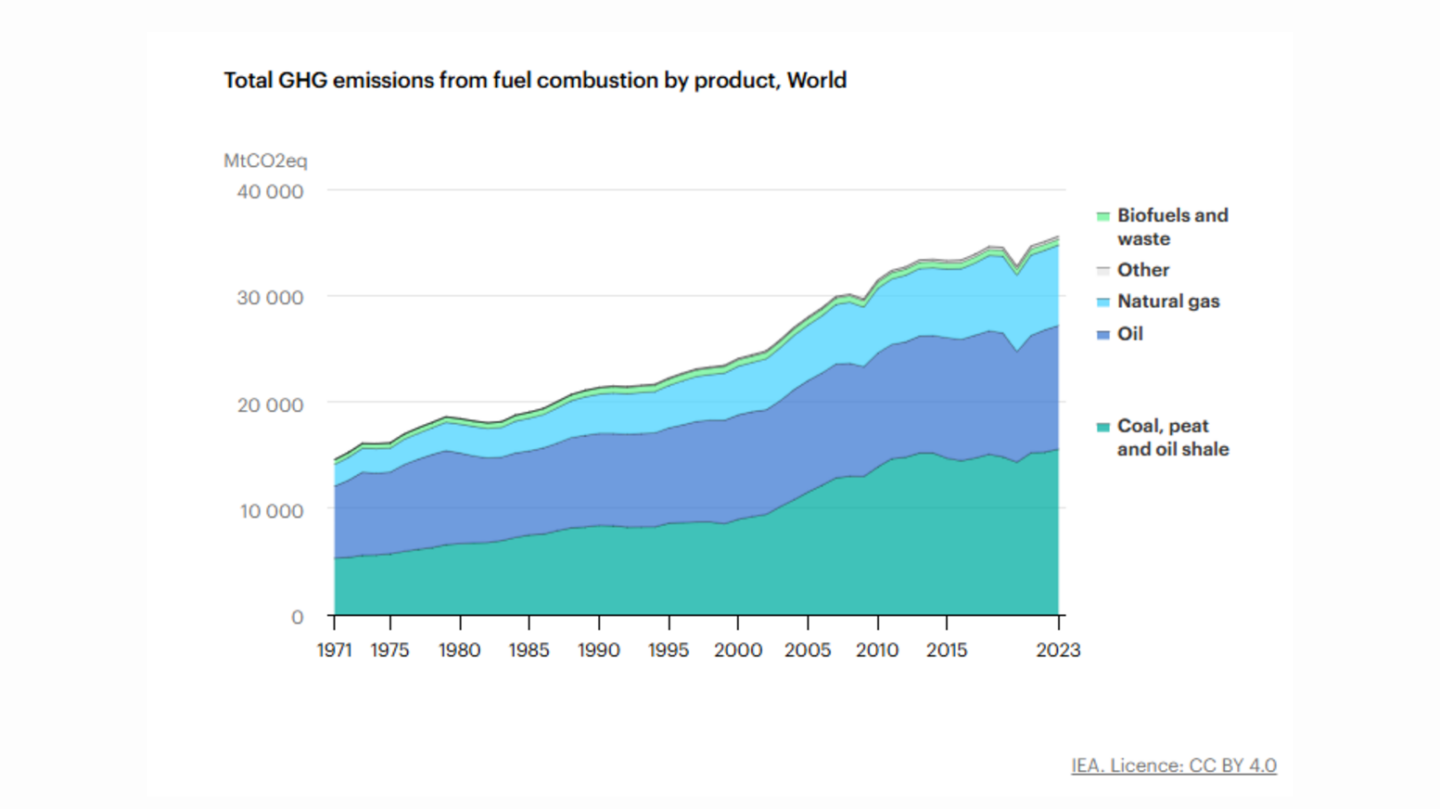
CO2 emissions, primarily from the combustion of fossil fuels like coal and oil, are central to discussions about climate change. These emissions have a far-reaching impact on global warming, influencing weather patterns and ecological systems worldwide.
Apart from CO2, other emissions such as sulphur dioxide and nitrogen oxides contribute to environmental issues like acid rain and the depletion of the ozone layer. These pollutants, largely emitted from coal and oil combustion, pose significant health risks and ecological challenges. Addressing these emissions is not just a local issue but a global imperative.
This global challenge of managing gaseous emissions is yet to be effectively addressed. While efforts are in place, the international community’s response requires further strengthening. As we explore these environmental impacts, it’s clear that a concerted, global effort is needed to manage and mitigate these emissions.