
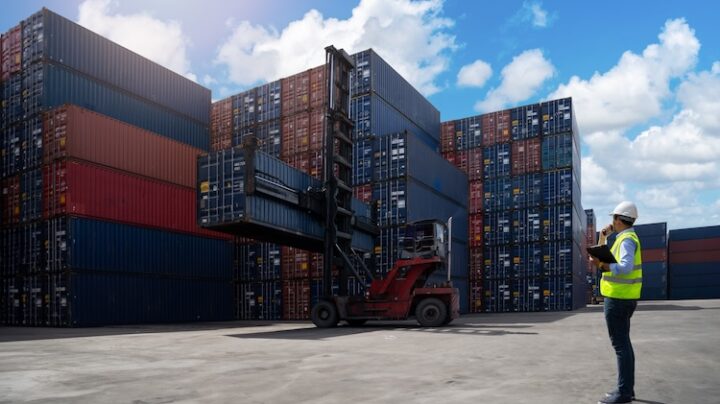
The construction industry supply chain is more than just a network of contractors, suppliers and logistics providers; it’s the foundation of successful project delivery. In a sector ruled by tight margins, complex regulatory pressures and mounting sustainability expectations, building a resilient, compliant and efficient supply chain is critical.
This guide for contractors, suppliers and clients explores how to strengthen the supply chain in the construction industry through effective supply chain management strategies and compliance with industry standards.
What Is The Construction Industry Supply Chain?
The construction industry supply chain refers to the end-to-end process involved in delivering a built asset, from raw material extraction to final handover. It includes manufacturers, distributors, contractors, subcontractors, consultants and clients.
Unlike many other sectors, the supply chain in the construction industry is highly fragmented. Projects often rely on hundreds of suppliers, many of whom may only work together once. This increases risk and places pressure on contractors to ensure that everyone in the chain meets health, safety, quality and sustainability standards.
Related Reading: How To Know If Your Supply Chain Is Sustainable
Key Challenges Facing The Supply Chain In Construction
From navigating evolving regulatory demands to withstanding global shocks, businesses must overcome multiple challenges to keep projects on time, on budget, and compliant.
The following are some of the most pressing supply chain issues currently impacting the UK construction sector and what they mean for project leaders and procurement teams.
1. Complex Regulations And Compliance
The UK construction sector is governed by numerous legal frameworks, from the Building Safety Act to CDM Regulations. Ensuring compliance across every tier of the supply chain, particularly with subcontractors and overseas suppliers, requires robust due diligence, ongoing checks and clear documentation trails.
Related Reading: Building Competent Supply Chains: The Impact of the Building Safety Act 2022
2. Low Margins And High Risk
With limited room for error, construction firms face significant financial pressure when delays or defects arise. A single point of failure, such as a supplier missing a deadline or breaching safety requirements, can trigger cost overruns, legal liability, and reputational damage.
3. Global Disruptions
Post-COVID shocks, war-related trade disruptions and inflation have exposed the fragility of global supply lines. These events have forced contractors to reconsider just-in-time delivery models and explore more localised or diversified sourcing options.
Related Reading: What Are The Causes Of Construction Supply Chain Disruptions?
4. Sustainability And ESG Pressure
Client expectations and regulatory frameworks increasingly demand that construction companies prove their commitment to carbon reduction, modern slavery prevention and responsible procurement. Transparent reporting, supply chain education and engagement with ESG standards are now essential to securing contracts and future-proofing your business.
Related Reading: What Is ESG, And Why Is It Important?
The Role Of Supply Chain Management In Construction
Supply chain management in construction is the process of planning, coordinating, and controlling resources, information, and logistics across the project lifecycle.
Effective supply chain management helps:
- Improve project predictability
- Increase transparency and accountability
- Improve safety and reduce incidents
- Support sustainability and social value goals
- Ensure everyone in the supply chain is competent and compliant.
The Common Assessment Standard, developed by Build UK and implemented by Veriforce CHAS, provides a unified prequalification framework that streamlines compliance and strengthens supply chain performance.