
Risk assessment for shops and retail spaces
Shops and retail spaces vary in layout and size and can be part of a department store or a standalone, so you need to use a site-specific risk assessment to get a detailed analysis of the threats to your business. This retail health and safety checklist details the key points to remember.
Identifying the potential hazards in retail
Your risk assessment can essentially be split into two, your shopfloor area and stockrooms. If there is an additional break area for staff or a separate loading bay, make sure you include all these areas in a thorough walkthrough of the retail premises. Building safety is a general area that will require an assessment of fire safety and evacuation procedures. If you are within a shopping centre or department store, you’ll need to consult with management about their procedures, so you communicate the same message to your staff.
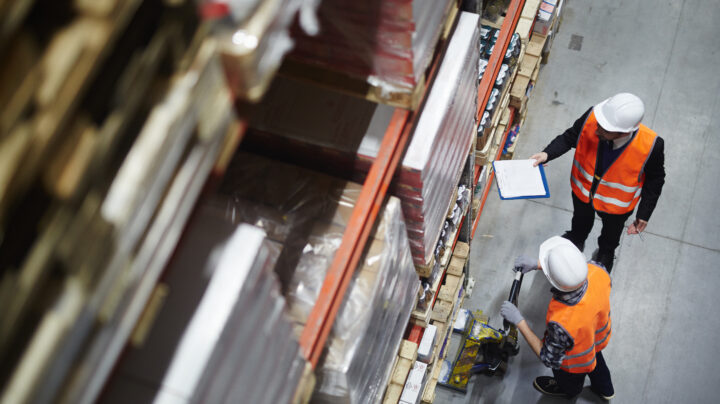
Loading areas and stockrooms will need frequent risk assessment as stock changes and storage areas move around. This is the area your retail staff are most at risk from manual handling work related injuries.
Slips, trips and falls will be more high risk in certain areas, i.e. if a customer brings in a wet umbrella and your entranceway floor is wet, or stock on the floor poses a trip hazard.
Who is at risk — and how?
Retail spaces are a work environment where the public may well be as at risk as your staff. Daily walkthroughs to check the safety of electrics, cables etc. will help keep your customers safe. Make sure there’s no risk of objects falling from high shelf displays, that wall mounted or freestanding displays are secure and the shop floor is tidy and well lit, with all lightbulbs working, to avoid trips.
Different staff with varying levels of responsibility will also encounter risks at different levels. All retail staff should receive general health and safety training and should be trained in every area of the business in case they need to cover elsewhere. For example, a stockroom team member might need to cover on the shop floor due to staff shortages. They would need to be able to confidently and safely fill that role.
Receiving deliveries and stacking shelves can result in bruises and back injuries. Consider also the risk of working at height if you have tall storage solutions or display areas.
Shop floor retail staff have the additional risks of theft, violence and threatening behaviour. Make sure your team knows the procedures for this kind of risk. If you have a panic button, make sure staff know where to find it and if there is security they can call, make sure they know how to get in touch with them. Emphasise the importance of staff having their walkie talkies on at an audible level if this is equipment you provide and train your staff very clearly not to resist a robbery. You may want to consult The Health & Safety Executive’s advice for retailers on work-related violence and include a detailed report process for incidents.
How you’re currently managing risks
Standard training can help you to incorporate a retail health and safety checklist as part of your daily routine in-store. Cleaning and tidying can help combat a number of health and safety risks in shops and retail spaces, such as cleaning up spills as they happen and providing and maintaining anti-slip entrance mats to reduce slip risks. Cleaning in itself can pose a risk though, so be sure to include the use of cleaning chemicals like bleach in your risk assessment. Adequate training in how to use products safely and store chemicals with information regarding any personal protective equipment requirements will help reduce the risks.
Additional control actions required
Some of the risks you come across on your retail health and safety checklist may require a third party to come in and fix. Make sure your staff know when you expect a visit from an electrician or any other contractor. You must also ensure that they know they should not be carrying out work themselves.
Your staff can be a useful resource for improving best practice in a shop or retail space, so utilise them. Stockroom and warehouse staff often have the best idea of what will speed up processes or make a work environment more productive. So consult with them on their ideas and, where appropriate, give them the responsibility of carrying out those actions. So long as management checks that the actions required by your risk assessment are being carried out, this is a good way to make staff feel valued and to get the best out of them.
Who is responsible for carrying out the actions?
Delegating tasks is a fundamental part of retail teams, especially if you have shift workers and large management structures to cover the long working hours. Your retail health and safety checklist must be circulated to all members of staff — both front and back of house. Supervisors should all be enforcing actions to the same standards and reporting risks in the same way.
Some jobs in-store may be carried out by visiting team members trained in different areas. For example, if you have a visual merchandiser who visits once a month to update your window displays, make sure team members know this is not their responsibility and that they should not be going up ladders or in the windows installing displays without proper training. The key here is engaging and communicating to retail staff what is and what isn’t their responsibility in both tasks around the store and your retail health and safety checklist.
Deadline for retail health and safety action
Many of these actions will be marked as “ongoing” as they will require daily upkeep to mitigate risks. Make sure you have a health and safety checklist to keep reinforcing the checking of standards daily. Remember that any employer with 5 or more staff must record the findings of their risk assessments.
When you join CHAS, you’ll gain access to a variety of risk management resources — including risk assessment and method statement templates. Join CHAS as a contractor to make the most of these benefits, or become a CHAS client for FREE to access supply chain risk management services.