


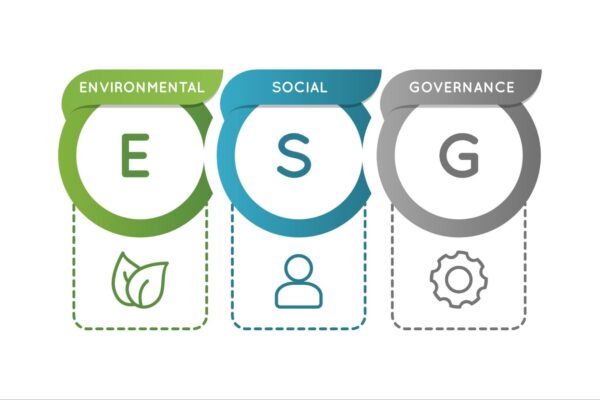
Environmental, social and governance have become common reporting standards for all businesses. Here, we explore what they are and why they’re important to your business.
ESG stands for environmental, social and governance. When used in a place of work, ESG criteria means all the factors that a business should consider that impact one of these three things.
A report conducted by NAVEX® found that 49% of the respondents (in the UK and USA) said that a business’ brand reputation is impacted by performance against ESG metrics. And more than two-fifths (44%) also agreed that a publicly-traded company’s ESG ratings would influence their personal investment decision about that company’s stock.
This shows the growing need for a business to have ESG practices and ESG reporting. In this article, we’ll take a closer look into ESG criteria and an overview of how the construction, education, facilities, housing and social sectors may implement them.
What Is ESG?
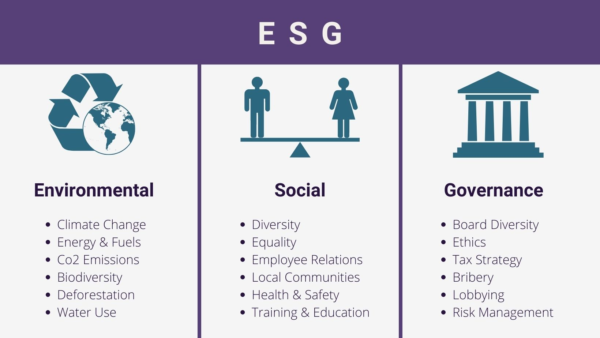
For any business, ESG factors are an excellent way to build meaningful business goals and may include reevaluating the business to manage the company’s impact on ESG factors. These factors may include the materials a company regularly uses to how they treat their employees. Still, they all fall under one of the umbrella categories of social, environmental or governance.
Environmental Criteria
This focuses on the environmental impact on the business and may primarily be concerned with environmental or other practices within the business that have the potential to contribute to climate change. These may be:
- Environmental risks, like waste management
- Greenhouse gas emissions from energy and fuels used
- Carbon emissions and carbon footprint
- Natural resources and resource scarcity, including deforestation
- Water use.
Social Criteria
Social criteria are concerned with how a company treats its workforce and the people the business comes into contact with. This may include communities impacted by a material that a business frequently uses, like factory workers or miners. Other social criteria include:
- Human rights within the supply chain
- Corporate social responsibility to local communities
- Workplace diversity and equality
- Employee relations, including staff satisfaction levels
- Training and education, including health and safety and accreditations.
Governance Criteria
Governance ESG initiatives are the practices, controls and procedures that are organisational. These ESG policies help to run the business ethically and ensure a business remains compliant with stakeholder needs.
- Financial performance that includes responsible investing & tax strategy
- Corporate governance, including board diversity
- Executive pay and the company’s leadership
- Bribery and Lobbying policies
- Risk Management.
Why Is ESG Important?
While ESG performance should be a factor for all businesses, there will be different ESG risks depending on your business’s sector. Companies with supply chains will probably be more concerned with environmental factors, whilst for those in social care, both social and governance ESG criteria may be the primary focus. Here we look at why ESG is important to different business types.
Construction
The IEA’s Energy Technology Perspectives 2020 publication reports that “transport, industry and buildings sectors, … account for more than 55% of CO2 emissions from the energy system.”
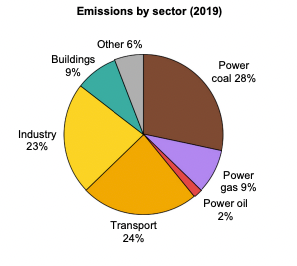
While buildings only account for nine per cent overall, this is still a significant environmental contribution to climate change, so it makes sense that many construction firms are considering environmental performance and sustainable development as part of their business growth plan.
Construction firms genuinely committed to their environmental ESG performance will question how their materials are harvested and shipped and seek more sustainable design choices allowing them to reuse, recycle and educate on new and innovative solutions to construction. This commitment to innovation can make the difference between being hired for a job and not.
Just as crucial to construction are their social and governance ESG factors. There is little benefit to shouting about reduced carbon emissions if local communities are being impacted or exploited to hit environmental targets.
Equally, construction businesses should look to guard the welfare of their workforce. With a fundamental skills shortage in construction from 2020, firms can keep their skilled employees to improve on-site conditions. This might include constantly evolving risk management and health and safety procedures. Construction firms may consider staff surveys to understand opportunities to improve working conditions such as facilities, breaks, paternity/ maternity pay and healthcare access.
Education
Social and Governance ESG reporting may be a primary factor for the education sector. Whilst the environment is important, educational institutions must take extra care, with a report by Advanced UK warning schools of the dangers of “greenwashing”.
Educational institutes are bound by additional EU CSDR and UK SDR regulations. Penalties are in place for misstating the truth, so schools should back any environmental initiatives put in place with evidence. There are some easy wins, such as cutting down on the number of textbooks and workbooks by utilising online resources, e-readers and tablets, a practice that many schools are already adopting.
Achievable targets are creating a safe, secure environment for both staff and students and engaging stakeholders in the procedures that lead to them. With more rigorous risk management, including additional employee screening, classroom health and safety, and personal data protection for staff and students, this can be achieved.
Schools and higher education institutes may also consider the positive impact they can have on local communities, tailoring educational programmes to help promote social impact in their area.
Social impact is hugely significant in applying for additional funding and reputation, both factors that might assist the organisation’s growth, attracting better staff and improved student scores.
Facilities Management
Facilities can span a wide range of industries so the ESG reporting priorities may vary depending on the type of business.
Energy efficiency is a measurable piece of ESG data that those in facilities management can report on to stakeholders. This creates a “good news story” for the company’s operations that can attract more business or better employees.
Things that all facilities management have in common are supply chain risks and compliance requirements. These are essential factors within social ESG policies and corporate governance policies.
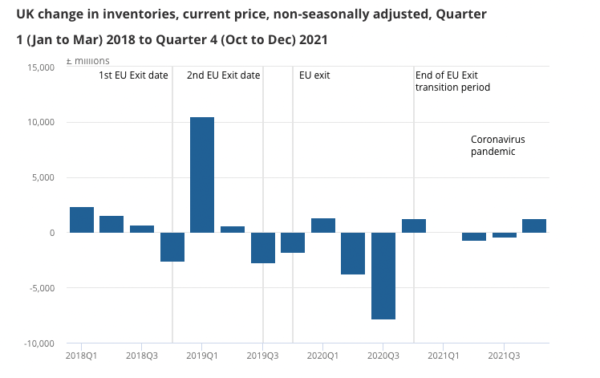
One such risk may be around modern-day slavery. With the ons.gov.uk reporting that most industries experienced fluctuations in inventories in 2021, supply chains may have seen changes. Facilities management must take extra care that any changes have not inadvertently resulted in the exploitation of people along the supply chain or have created additional risks to their workforce. Good ESG strategies can help to mitigate this.
Businesses can employ an expert to help with their supply chain risk management. They should be able to help them with ESG reporting with targets based on social and governance-based risks.
Housing And Development
There will be ESG challenges posed around environmental social and governance ESG reporting like the construction industry.
This report by Blend Funding outlines the social impact and sustainability standards outlined across 16 housing associations. It shows where the housing market can use ESGs to best effect, improving carbon footprint and investing in social housing.
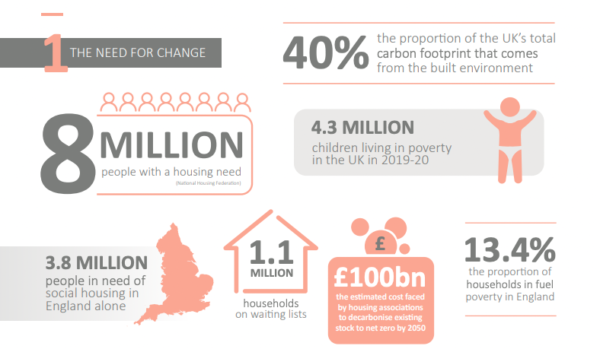
Questions around compliance will impact social ESG issues. For example, following the Grenfell Tower Disaster, identifying material ESG risks with more rigorous risk management could be a strong ESG consideration.
Collaborating with architects on the innovative use of materials and incorporating sustainable design and renewable energy sources into housing are excellent ESG considerations. Initiatives like these aim to make housing landlords and associations more attractive to investors and lead to increased sales growth.
Social Care
Those who work in social care may wish to create an ESG framework for significant social impact for their residents and for the surrounding community. According to a study by hse.gov.uk, employee welfare in this sector is more important than ever. More people who work in social work suffer from work-related ill-health than those in other industries.

Social goals may incorporate ESG factors like diversity within the workforce and a commitment to improving standards for both staff and the residents or recipients of the social care. This may include additional certification training and offered qualifications, better facilities for those with a disability and provide valuable insights and education to industry peers on the facility’s area of expertise.
Environmental goals may be focused on individual impact. For example, car sharing for staff, recycling within the facility and sourcing materials responsibly.
Just like the education sector, those who work in social care will require substantial compliance with risk management legislation, so staff screening is an excellent measure of ESG performance.
Businesses across all sectors can incorporate ESG reporting into their governance by ensuring socially responsible investing, excellent internal corporate communications and regular reporting to the board, which may include ESG investors.
Another common theme across sectors is ensuring the safety and wellbeing of their staff and others the business comes into contact with. A compliance expert can help with that.
For help with your risk management policies and setting strong health and safety benchmarks, become a CHAS member and gain access to help with legal support, accreditations and staff screening.

