
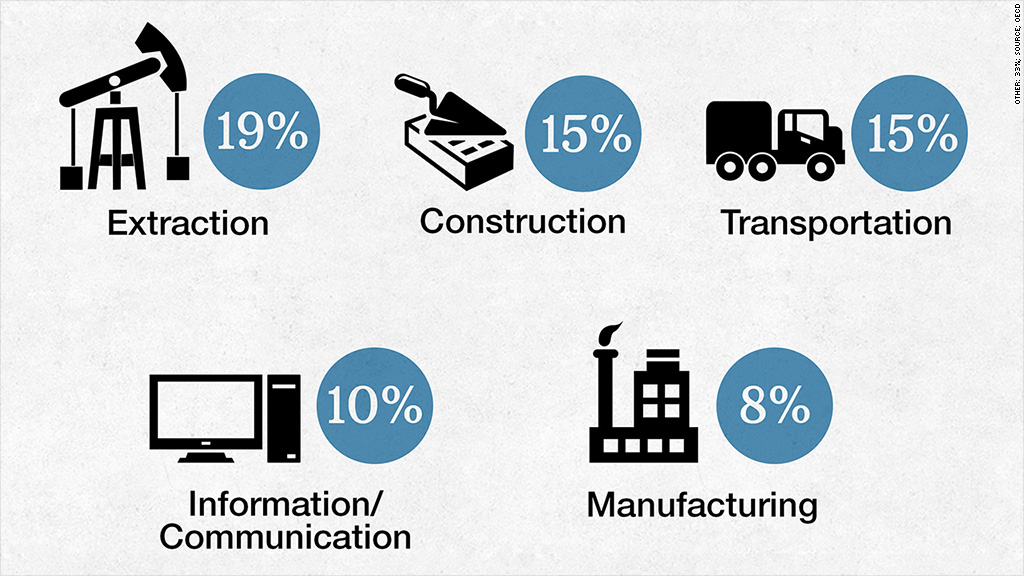
Whether your business operates in construction, manufacturing, or transportation, there are concrete steps you can take to protect your organisation, particularly your supply chain, from corruption.
For starters, you can ensure your compliance with legislation such as the Bribery Act 2010. The law requires you to:
- Evaluate high-risk areas of corruption in your supply chain.
- Implement control measures where necessary.
- Communicate your anti-bribery and anti-corruption updates to stakeholders.
However, it can be easy to feel overwhelmed by the sheer amount of work involved in compliance. One way to make the task of mitigating corruption and bribery more manageable is to use supply chain risk management services, which provide certification schemes for anti-bribery and corruption, as well as other areas of risk management.
Gaining anti-bribery and corruption certification gives your organisation tangible proof that you’ve taken the necessary steps to prevent corrupt practices and have the controls in place to report them to the authorities when necessary.
Below are five core benefits of seeking anti-bribery and corruption certification.
1. It forces you to invest in anti-bribery and corruption training
Seeking certification for anti-bribery and corruption entails investing in the necessary training to educate your employees and other key stakeholders on the:
- Dangers of bribery, fraud and corruption
- Different forms that corruption can take
- Legal repercussions of bribery and fraud
- Ways to report bribery, corruption and fraud.
Training not only protects your organisation but also prevents employees from unknowingly aiding and abetting unscrupulous practices.
Pro Tip: The subject of corruption in supply chains can be a dry one to teach. We recommend contextualising your training to the specific scenarios that your employees deal with every day. This makes your training materials and lectures more resonant and easier to digest.
Don’t limit your training to class-based lectures. You can also provide eLearning modules about anti-bribery and corruption, allowing employees to learn at their own pace and absorb the material more effectively.
2. Certification enhances your organisation’s performance
Seeking certification requires establishing an anti-bribery and corruption risk-assessment strategy. This presents an opportunity for your organisation to identify unacceptable practices (for example, in a construction project) and demonstrates your willingness to comply with the Bribery Act 2010, the Modern Slavery Act 2015 and other relevant legislation.
Creating a strategy also means identifying measurable key performance indicators (KPIs) to monitor your operations. And as the adage goes, “What gets measured gets done”. This forces your organisation to monitor your anti-bribery and corruption KPIs and work towards continual improvement.
Pro Tip: The bribery and corruption assessment template recommends companies nominate a senior counter-corruption champion in the workplace to be responsible for promoting anti-bribery and corruption messages.
While your entire workforce should be aware of your anti-bribery and corruption risk-assessment strategy, it helps to have one person set the tone for your efforts to prevent and report unscrupulous practices.