
Corporate social responsibility in construction
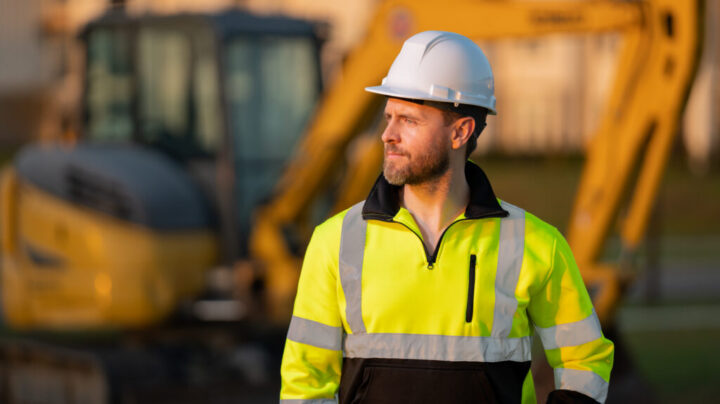
Corporate Social Responsibility (CSR) has become an important focus for businesses in all industries. People and businesses alike are making more conscious decisions when it comes to choosing which businesses to work with or support. Their preferences go to businesses that are actively taking steps to both minimise the impact their operations have on people and, where possible, have a positive impact on their lives.
Customers, clients, investors and employees all want to see businesses prioritising the welfare of their workforces and any other people who might be affected by their operations.
Corporate social responsibility in construction is also on the rise, as businesses within this sphere are facing increasing pressure to improve CSR strategies. Construction projects aren’t exactly discreet or low-impact — they can have a huge impact on workers and local communities. So taking a positive and proactive approach to corporate social responsibility is something that all businesses within the industry should be doing.
What is corporate social responsibility?
Corporate social responsibility is about minimising the negative impact your business operations have, not just on workers and customers/clients, but on all people who might be affected by your business and the wider environment. This can include members of the public and local communities. Equally it should also look to increase the positive outcomes that your business is responsible for such as:
- increasing social impact through employment and workplace equal opportunity practices or contributing to local economies or good causes
- reducing the risk of modern slavery or human rights abuses in your supply chain
- reducing fossil fuel consumption and the contribution to climate change or
- providing a boost to biodiversity.
Your CSR strategy should focus on recognising how your business negatively impacts people and society, and the environment, and then identify ways to minimise this impact. You may also plan steps that your business can take to have a positive social and environmental impact.
CSR strategies are the way towards having a more sustainable business as they touch on both social and environmental impact, and human rights and ethics issues.
Why is corporate social responsibility in construction so important?
Corporate social responsibility in construction is something that needs to be taken seriously. While CSR strategies aren’t a legal requirement for businesses, they make a lot of business sense and can ultimately make a contribution to legal compliance and risk management.
Construction projects have the potential to negatively impact people’s mental and physical health on both a long-term and short-term basis.
In the short term, projects can disrupt people’s everyday lives with noisy operations, disruptions to utility services and the need for access to be restricted — causing diversions, for example.
Long term, the building of new structures, homes or complexes can have a huge impact on people’s lives. Buildings have the power to improve people’s quality of life and wellbeing, but that means they also have the potential to have the opposite effect.
As well as considering how construction projects can impact local people and communities, there are also construction workers to consider. The construction industry is one of the largest sectors in the world — employing approximately 7% of the global workforce — meaning there are millions of people who could be affected by the working conditions of construction projects. Competitive pricing in the industry can lead to business owners pushing for longer working hours and cutting wages, and the very nature of construction work means workers may be at a higher risk of injury and ill-health unless the right steps are taken.
As a business, you have a moral and legal obligation to ensure any negative impacts on people are kept to a minimum. Plus, if your business was to have a profound negative impact on any group of people, this could have serious consequences for your reputation — affecting your profitability. It may also result in legal action against your business resulting in fines.
How to improve your corporate social responsibility strategy
There’s no one way to improve corporate social responsibility in construction. There are several different methods and strategies you can use. Your CSR strategy will also depend on your business operations and your current impact. Here are some examples of steps you can take to effectively improve your approach, minimise negative impacts and where possible have a positive impact.
Improve equality and diversity
Equality and diversity can improve your business by having a positive impact on workers and local communities. You can create opportunities for minority and underrepresented groups and create a workforce that’s free from prejudice and discrimination. It has been shown through research that more diverse organisations tend to be fairer employers and have improved profitability.
Ensure buildings and community spaces are well designed
When buildings, structures and facilities are well designed, they can have a positive impact on the lives of those who use them. For example, by creating a functional community space that people want to use, you can bring communities together. Similarly, construction elements like lighting and pathways can improve the safety of neighbourhoods during urban planning projects. Individual homes can also have a big impact on people’s lives — a well-designed home should suit the homeowner’s lifestyle and needs.
Position CSR at the heart of your company culture
For CSR strategies to be effective, they should be integrated into all of your business’s policies and procedures. Employees on all levels should be made aware of your social responsibility efforts so that they can support your endeavours. It is also important to examine and or establish a zero-tolerance stance against corruption and bribery.
When you position CSR at the heart of your company culture, you make it a whole-company effort. It can also attract socially-conscious talent, impress investors and appeal to clients.
Reduce your carbon footprint
Construction makes a significant contribution to the release of greenhouse gases, such as Carbon Dioxide, which cause climate change. Over 40% of the UK’s carbon footprint is related to the built environment through manufacturing, construction, operation and maintenance. Carbon dioxide is also created through the decomposition of waste created by construction.
By sourcing materials which have been manufactured using lower impact materials, and that have better performance in use the overall carbon footprint of a project can be reduced. You can also find ways of working more efficiently and using less energy from fossil fuels to help even more. This can also help to reduce your costs. The recent announcement of the Government’s ten-point plan to achieve net-zero emissions in the UK is also looking to drive the creation of more sustainable construction. This particularly focuses on buildings, by creating greener new buildings and retrofitting existing ones with more energy-efficient technology.
Reduce waste in construction projects
Waste disposal can have a major effect on local communities, and construction projects can involve the disposal of huge amounts of waste. When disposed of near local communities, waste can cause health problems, air pollution, groundwater pollution, and it can attract pests such as rats. Waste disposal sites also decrease the aesthetic appeal of areas and can impact property prices. With appropriate disposal management, these issues can be reduced or even eliminated entirely, but there are additional hazards to consider in the issue of construction waste reduction and management.
Where possible, reduce waste in your construction projects. This can limit your contribution to the negative social impact of waste disposal. Designing out waste from the planning stage benefits both construction companies and the environment by reducing excess resource materials. Recycle waste materials (if possible) so that they don’t end up in landfills, make sure you follow waste disposal guidelines, and always use official waste disposal sites. For construction companies regularly disposing of waste, they have a legal responsibility to register as a waste carrier. The implications of not adhering to waste guidelines can result in significant fines.
Support local communities
Strong design and construction of good community spaces can revolutionise your development in several ways. Investing in the local area in ways that will positively affect the wellbeing of local users and residents will stand you in good stead within the community. A Community Liaison Officer can be a useful role in integrating your design goals and the priorities of the local community. By supporting and engaging in community programmes — such as education programmes or housing initiatives — you can improve your social impact and safeguard your business against reputational damage. Investing in Corporate Social Responsibility like lighting in community spaces, cycle lanes and other shared initiatives not only benefit the local community but also provide excellent PR opportunities for construction companies.
Implement responsible sourcing
As well as improving the corporate social responsibility of your own business, you’ll also need to implement responsible sourcing practices to improve the CSR of your whole supply chain. Consider the CSR strategies of any potential suppliers you use such as ensuring the absence of modern slavery practices and opting for suppliers who share your commitment to minimising social and environmental impact and prioritising supply chain sustainability.
Improve conditions for workers (and offer benefits)
Make sure your workers are paid the national living wage and offer benefits like flexible working opportunities, subsidised transport and training programmes. By improving the working conditions your business offers and providing fair employment and treatment of your employees, you can increase your social responsibility.
Join CHAS and gain access to risk management resources and certification schemes that can help you improve your social responsibility. Demonstrate your commitment to corporate social responsibility through our Common Assessment Standard certification scheme, and increase your business opportunities.