
Manual Handling Of Equipment: 8 Best Practices To Prevent Injury
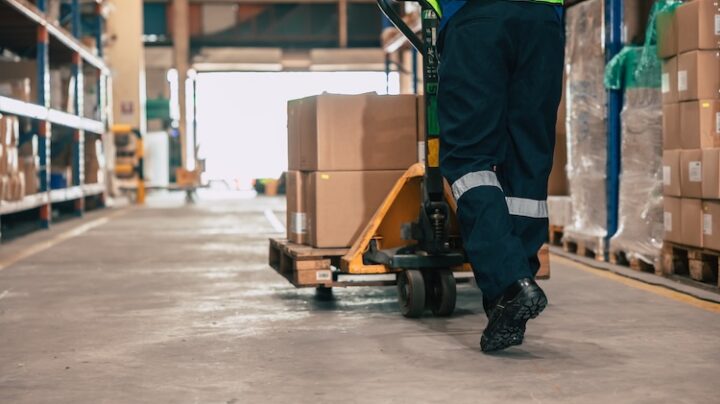
Manual handling of equipment remains one of the most underestimated risks across industries. From lifting heavy tools on a construction site to moving stock in a warehouse, poor handling techniques can lead to serious injury. The Health and Safety Executive (HSE) has reported that manual handling injuries account for over 30% of all workplace injuries in the UK, costing businesses millions in lost productivity, compensation, and staff absence each year.
Employers and employees must prioritise safe practices when manually handling equipment to reduce risks and build a safer work culture. In this guide, we’ll explore manual handling, its risks, and the eight best practices for injury prevention.
What Is Manual Handling Of Equipment?
Manual handling of equipment refers to any activity that involves lifting, lowering, carrying, pushing, or pulling objects by hand or bodily force. This includes heavy machinery and everyday workplace items like trolleys, toolboxes, ladders, and even IT equipment.
While it might sound straightforward, repetitive or incorrect equipment handling can significantly strain the musculoskeletal system, particularly the back, shoulders, and knees. Over time, even moderate exertion can lead to chronic injury if not managed properly.
Why Manual Handling Of Equipment Is A Serious Concern
Musculoskeletal disorders (MSDs), such as back pain and repetitive strain injuries, are among the most common outcomes of poor manual handling. These injuries are not only painful but can also be debilitating. In 2023/2024, over 543,000 workers had work-related musculoskeletal disorders in the UK alone.
Source: HSE
The consequences are twofold:
- For employees: Injuries may lead to long-term health problems, reduced mobility, or the inability to work
- For employers: Legal claims, compliance failures, and disrupted workflows are risks.
Recognising these risks makes it clear why safe practices in the manual handling of equipment are essential.
Related Reading: What Are Employees’ Health And Safety Duties?
8 Best Practices To Prevent Injury When Manually Handling Equipment
1. Conduct a Risk Assessment Before Any Manual Handling Task
A risk assessment is the first line of defence against injury. Before any equipment is moved, an organisation should evaluate the weight and shape of the item, the distance it needs to be moved, the physical ability of the handler, and the environmental conditions. This means if the floor is slippery, there’s poor lighting, or stairs might be a factor.
Using a structured approach, such as a manual handling risk assessment template, helps identify potential hazards and implement control measures. The HSE provides comprehensive guidelines to help businesses assess and mitigate risks in accordance with the Manual Handling Operations Regulations 1992.2. Train Employees on Proper Manual Handling Techniques
No equipment should be handled without proper training. Staff need to understand not only what to lift, but also how to lift it. Effective manual handling training should cover:
- Safe lifting posture (bending knees, not the back)
- Controlled lifting and lowering
- How to push rather than pull when possible
- Use of lifting aids or team handling for heavy items.
The goal is to instill muscle memory that defaults to safe practices, reducing the likelihood of momentary mistakes that could cause injury.
3. Use Mechanical Aids Wherever Possible
Eliminating and/or reducing the need for manual lifting is an easy way to reduce the risk of injury. Equipment such as trolleys, pallet jacks, hoists, and conveyor systems can drastically reduce physical strain.
Using manual handling aids reduces physical exertion and muscle fatigue, particularly during repetitive tasks or those involving heavy or awkward items. Employers should ensure these tools are readily available and regularly maintained.
4. Plan the Route and Clear Obstacles Before Moving Equipment
Planning isn’t just for logistics. It’s a key safety step. Before moving equipment, consider:
- Is the path clear of obstructions?
- Are there slopes, uneven floors, or low ceilings to consider?
- Is there sufficient lighting throughout the route?
Unexpected obstacles can lead to sudden movements or shifts in balance, increasing the risk of musculoskeletal strain or falls. A quick route check can significantly improve handling safety.
Related Reading: What Is The Health And Safety At Work Act? Everything You Need To Know
5. Know Your Limits and Ask for Help
A major cause of manual handling injuries is overestimating personal strength. Pride of urgency should never override safety. Workers should be encouraged to ask for help, whether from a colleague or using mechanical assistance when handling objects heavier than 25kg (depending on the individual’s capacity), bulky or irregularly shaped items, and equipment located at awkward angles or difficult heights.
Workplace culture plays a big role here. Employers must cultivate an environment where seeking help is encouraged, not stigmatised.
6. Use Proper PPE for Manual Handling Tasks
Personal protective equipment (PPE) is vital for manual handling, not just chemical or electrical hazards, as most people might think. Depending on the task, appropriate PPE might include:
- Steel-toe boots for foot protection
- Gloves for grip and abrasion resistance
- Back supports for added spinal support (used cautiously, not as a crutch).
PPE should never be used as a substitute for proper handling technique. It is an additional layer of protection. Employers must also ensure that PPE is correctly fitted for every worker, regardless of gender or body type. A one-size-fits-all approach, particularly with gloves or boots, can compromise safety.
7. Rotate Tasks to Minimise Repetitive Strain
Repetitive handling of equipment, even if the items are not particularly heavy, can lead to cumulative trauma disorders over time. To combat this, the workplace should implement task rotation systems.
By switching roles involving different muscle groups, employees can reduce the risk of overuse injuries and maintain greater focus. This also has the added benefit of improving employee engagement and reducing burnout.
8. Monitor and Review Incidents and Near Misses
Safety isn’t static. Continuous monitoring of manual handling-related incidents, including near misses, is essential. These reviews should ask:
- What went wrong?
- Could it have been prevented?
- What changes are necessary to avoid recurrence?
Employers should log every incident in a risk register, review it during safety meetings, and update their training, tools, or procedures accordingly. This approach is crucial for creating a culture of continuous improvement.
Related Reading: What Is Manual Handling Safety?
Common Manual Handling Injuries And Their Impact
Source: HSE
In 2024, an estimated 7.8 million working days were lost due to MSDs in the UK alone. Despite best efforts, accidents do happen. Understanding the most common injuries from manual handling of equipment can help businesses stay alert to early warning signs:
- Back injuries: Including slipped discs, chronic lower back pain, and muscle tears
- Shoulder strain: Resulting from repetitive lifting or reaching
- Knee injuries: Especially from twisting or lifting while in an awkward stance
- Hernias: Often caused by lifting heavy items improperly
- Cuts and abrasions: From handling sharp or rough equipment without adequate protection.
Some of these injuries may seem small or minor but they can become long-term conditions if no intervention is taken. This can lead to work absence, a reduced quality of life, and even potentially costly rehabilitation.
Legal And Regulatory Duties For Employers
UK employers are legally responsible for assessing and reducing injury risk from manual handling tasks. This includes avoiding hazardous manual handling where possible, evaluating any manual handling tasks that can’t be avoided, and reducing risks as far as reasonably practicable.
If a company doesn’t comply with these regulations, it can result in enforcement actions from the HSE, including fines and legal proceedings. In 2024, Amey Community Limited faced a £600,000 fine for violating the Health and Safety at Work Act 1974. This case underscores the serious legal and financial consequences of non-compliance, beyond the paramount concern of workers’ safety.
How Employers Can Build A Safer Culture
Manual handling safety doesn’t start and end with a single training session. It requires an ongoing commitment from both leadership and staff. Here’s how organisations can reinforce best practices:
- Invest in continuous training: Make manual handling part of the onboarding process and offer regular refresher sessions
- Empower health and safety champions: Identify team members to monitor compliance and provide peer-to-peer guidance
- Encourage incident reporting: Even near misses should be treated as valuable learning opportunities
- Keep communication open: Workers should feel comfortable raising concerns about unsafe equipment or tasks
Manual handling of equipment isn’t just about lifting something the right way, it’s about designing a work environment where safety is second nature.
Related Reading: What Are The Most Common Manual Handling Injuries?
Safety Is Everyone’s Responsibility
Preventing injury through the proper manual handling of equipment is a proactive investment in worker health, productivity, and workplace morale. By following these eight best practices, employers and workers can reduce the risk of injury, build safer environments, and comply with legal standards.
The message is clear if you’re operating in construction, logistics, healthcare, or manufacturing: proper handling saves backs, budgets, and lives.
Partner with Veriforce CHAS to take control of your safety strategy. If you’re seeking certification, risk assessment tools, or a fully managed compliance solution, we’re here to help.